Ancestral Wisdom: Hunter-Gatherer Habits for Modern Aging
Explore timeless hunter-gatherer habits to enhance modern aging and well-being.

For informational purposes only — not medical advice. Consult a healthcare provider before starting any supplement or protocol. · Reviewed November 2025 · Laura Morgan
Understanding Hunter-Gatherer Lifestyle and Modern Longevity
The Ancient Blueprint for Health
Our ancestors lived remarkably different lives from us. They moved constantly, ate seasonally, and maintained strong social bonds within their tribes. These fundamental aspects of hunter-gatherer life shaped human evolution for millions of years. Today’s research reveals that many of their habits directly contributed to health and longevity.
The Science of Ancestral Living
Modern scientific studies consistently show that the basic patterns of hunter-gatherer life align perfectly with what we now know about human health. Their natural lifestyle included regular physical activity, whole food nutrition, sun exposure, and strong social connections – all factors that current research links to increased lifespan and healthspan.
Historical Context and Modern Research
Anthropological studies of existing hunter-gatherer societies show remarkably low rates of modern diseases. The Hadza of Tanzania, one of the last active hunter-gatherer tribes, display excellent metabolic health well into old age. Similar findings emerge from studies of the Tsimane people in Bolivia, who show the lowest rates of heart disease ever measured.
Key Differences Between Then and Now
Modern life differs drastically from our evolutionary past. We sit for hours, eat processed foods, and often lack meaningful social connections. These changes happened too quickly for our genetics to adapt. Understanding these differences helps us identify which ancestral habits we should try to recreate in our modern world.
Statistics and Research Data
The numbers paint a clear picture. Hunter-gatherers typically walk 6-16 kilometers daily. They consume 100+ different species of plants annually. Studies show they sleep 6.5-7.5 hours per night, with natural light exposure regulating their circadian rhythms. Their diverse diet provides 100+ grams of fiber daily – compared to the modern average of 15 grams.
Essential Hunter-Gatherer Practices for Modern Life
Movement Patterns
Hunter-gatherers didn’t “exercise” – they lived actively. Their days included walking, carrying, climbing, and brief bursts of intense activity. Modern research confirms these movement patterns optimize longevity. Regular walking reduces all-cause mortality by up to 30%, while carrying heavy loads builds essential bone density and muscle mass.
Dietary Wisdom
The hunter-gatherer diet varied by region but shared key characteristics: whole foods, high protein, abundant plants, and natural fats. They ate seasonally and experienced regular periods without food. Research now shows that this eating pattern activates beneficial genetic pathways that promote longevity.
Implementing Ancient Wisdom in Modern Life
Natural Movement Integration
Building natural movement into daily life requires creativity in our sedentary world. Simple changes make significant impacts: walking meetings, standing desks, carrying groceries instead of using a cart. These small adjustments add up to create the consistent activity our bodies expect.
Food Choices and Timing
Modern markets offer year-round access to foods our ancestors only saw seasonally. While convenient, this disrupts our natural metabolic rhythms. Eating seasonally and implementing periodic fasting mimics ancestral patterns and triggers longevity pathways.
Environmental Factors
Hunter-gatherers spent most of their time outdoors. Sun exposure, temperature variation, and natural light cycles regulated their biological rhythms. Research shows these environmental factors significantly impact cellular aging and longevity markers.
Social and Psychological Aspects
Community Connection
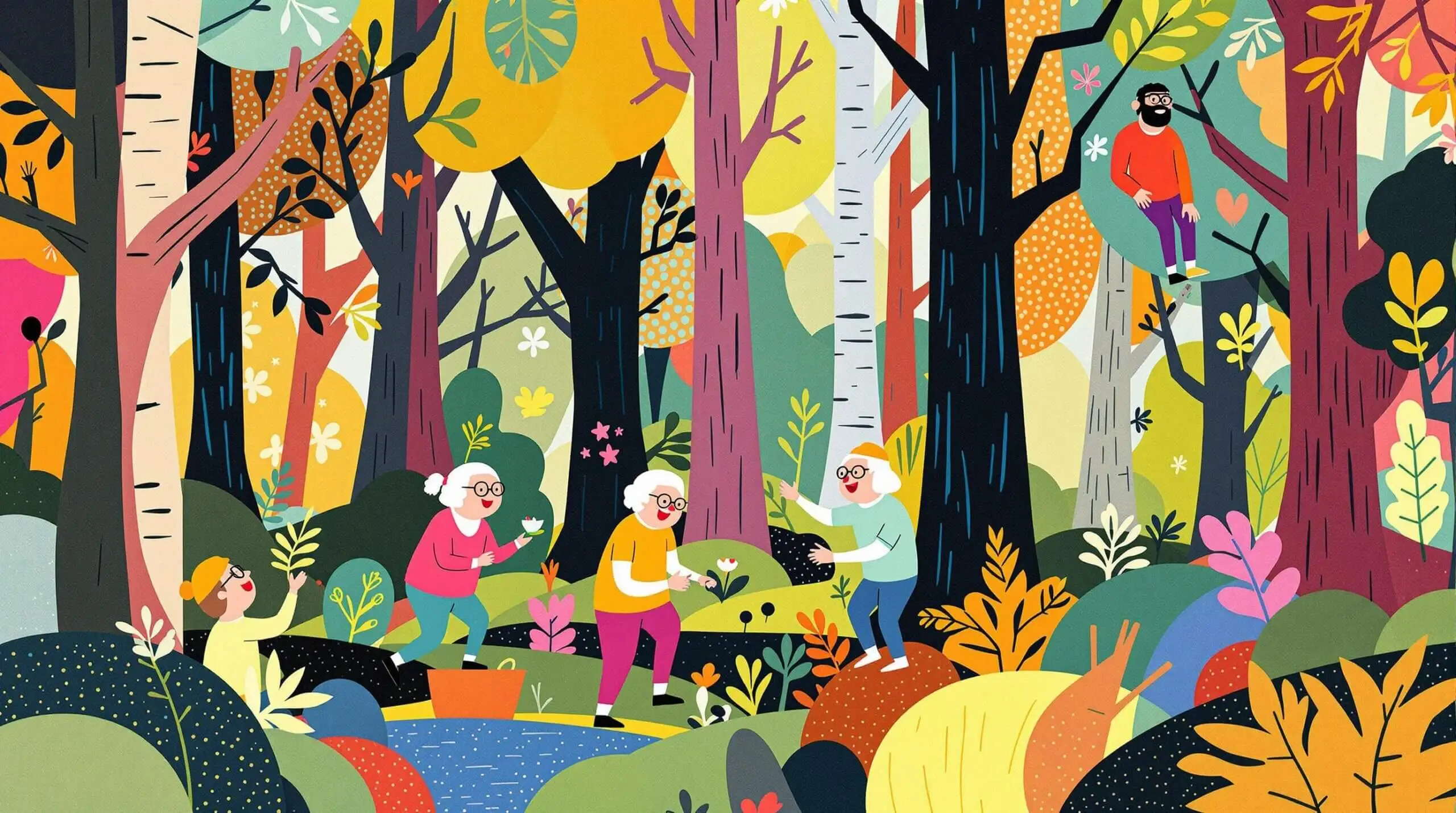
Hunter-gatherer societies maintained strong social bonds. Modern research confirms social connection as a key factor in longevity. Studies show that strong social relationships can increase lifespan by up to 50% – making them as important as quitting smoking.
Stress Management
While our ancestors faced acute stressors (like predators), they didn’t experience chronic stress like we do. Their lifestyle naturally included stress-reducing elements: time in nature, strong social support, and regular physical activity.
Practical Modern Applications
Daily Movement Practices
Incorporating ancestral movement patterns doesn’t require living in the wilderness. Regular walking, carrying heavy objects, and moving in varied ways throughout the day mirror hunter-gatherer activity patterns. These natural movements support joint health, bone density, and metabolic function.
Eating Strategies
Modern hunter-gatherer-inspired eating focuses on whole foods, seasonal produce, and natural eating windows. This approach naturally limits processed foods while providing abundant nutrients essential for longevity.
Key Practices for Modern Living
- Walk at least 8,000 steps daily
- Eat a diverse range of whole foods
- Get regular sun exposure
- Maintain strong social connections
- Practice natural movement patterns
- Include regular periods without food
- Spend time in nature
- Prioritize quality sleep
- Carry heavy things regularly
- Eat seasonally when possible
Modern Challenges and Solutions
Implementing hunter-gatherer practices in modern life presents specific challenges. Urban environments limit natural movement and outdoor time. Social media creates artificial connections. However, understanding these challenges helps us develop effective solutions.
Environmental Adaptations
Creating environments that support natural movement and connection requires intentional design. Simple changes like removing chairs, creating standing workstations, and designating outdoor meeting spaces can help. Research shows that even minimal nature exposure improves health markers.
Social Integration
Building real-world social connections takes effort in our digital age. Regular community activities, shared meals, and group movement practices help recreate the tribal connections that supported our ancestors’ health.
Scientific Support for Ancestral Practices
Research Findings
Modern science continues to validate hunter-gatherer practices. Studies show that natural movement patterns reduce inflammation and improve insulin sensitivity. Research on time-restricted eating confirms the benefits of natural eating windows. Social connection studies demonstrate the critical role of community in longevity.
Cellular Effects
At the cellular level, hunter-gatherer practices activate beneficial genetic pathways. Regular movement, sun exposure, and natural eating patterns influence gene expression in ways that promote longevity. These effects include improved mitochondrial function, reduced inflammation, and enhanced cellular repair.
Implementation Strategy
- Start with one practice and build gradually
- Focus on sustainable changes
- Create supportive environments
- Build community around shared practices
- Monitor progress and adjust as needed
- Maintain flexibility and adaptability
- Remember that small changes add up
- Stay connected to nature
- Prioritize real-world connections
- Keep learning and adapting
Hunter-gatherer wisdom offers valuable insights for modern longevity. Their practices align perfectly with current scientific understanding of human health. By thoughtfully incorporating these ancestral habits into modern life, we can support our natural biological functions and promote healthy aging. The key lies in finding practical ways to honor our evolutionary heritage while living in today’s world. This balanced approach creates sustainable practices that enhance both lifespan and healthspan.
Reviewed by a Longevity Practitioner
Laura Morgan
Medical Reviewer (CLP, LPI — Longevity Practitioner)
Scientific Reviewer at Longevity Direct. A New York-based expert in female healthspan (40+), Laura ensures all content meets our rigorous standards for scientific accuracy and practical application. She is committed to delivering evidence-based guidance that empowers our members to optimize their biological aging.
Find out which longevity treatments are right for you.
Takes ~3 minutes · No commitment · Physician-led
Sources & References
- [1](2024). The CoQ10 Connection: Energy and Aging Unveiled. Longevity.Direct.
- [2](2024). Walking 10,000 Steps: Myth or Longevity Magic?. Longevity.Direct.
- [3](2023). How social connection supports longevity. Stanford Longevity Center.
- [4](2024). Barefoot Living: Grounding's Impact on Aging. Longevity.Direct.
- [5](2024). Seasonal Eating: Aligning Diet With Nature for Health. Longevity.Direct.
- [6](2024). Longevity Retreats: Vacationing Your Way to 100. Longevity.Direct.