Chia Seeds: Small but Mighty for Longevity
Discover how the nutritional powerhouse of chia seeds can contribute to a longer, healthier life.

For informational purposes only — not medical advice. Consult a healthcare provider before starting any supplement or protocol. · Reviewed October 2025 · Laura Morgan
Understanding Chia Seeds: A Longevity Powerhouse
What Makes Chia Seeds Special?
These tiny black and white seeds, once a staple of ancient Mayan and Aztec diets, have emerged as a modern superfood with remarkable longevity benefits. Packed with omega-3 fatty acids, fiber, protein, and antioxidants, chia seeds punch well above their weight in nutritional value. Their impact on health spans from heart protection to blood sugar control – key factors in extending both lifespan and healthspan.
The Science Behind Chia’s Benefits
Chia seeds contain alpha-linolenic acid (ALA), a plant-based omega-3 that reduces inflammation and supports brain health. Research shows that just one ounce of chia seeds provides 5 grams of omega-3s – more than five times the amount found in salmon. These seeds also boast impressive levels of antioxidants, particularly quercetin and kaempferol, which fight aging at the cellular level by neutralizing harmful free radicals.
Historical Use and Modern Research
The word “chia” means “strength” in ancient Mayan, and warriors relied on these seeds for sustained energy. Modern science validates this traditional wisdom. Studies published in the Journal of Nutrition have shown that chia seeds can improve exercise performance and reduce post-workout inflammation. Their unique combination of nutrients supports metabolic health, a crucial factor in longevity.
Nutritional Profile and Health Impact
The numbers speak volumes. One ounce (28 grams) of chia seeds contains: – 11 grams of fiber – 4 grams of protein – 9 grams of fat (mostly healthy omega-3s) – 18% of daily calcium needs – 30% of daily magnesium requirements This nutrient density makes chia seeds particularly effective for supporting cellular repair and maintenance – essential processes for healthy aging.
The Connection Between Chia Seeds and Longevity
Anti-Aging Properties
Chia seeds contain high levels of antioxidants that combat oxidative stress – a major contributor to aging. These compounds help protect DNA from damage and support cellular repair mechanisms. Research indicates that regular consumption of antioxidant-rich foods like chia seeds can slow various aspects of the aging process, from skin health to cognitive function.
Metabolic Health Benefits
The fiber content in chia seeds plays a crucial role in metabolic health. By slowing digestion and preventing blood sugar spikes, chia seeds help maintain stable insulin levels. This metabolic regulation is vital for longevity, as poor blood sugar control is linked to accelerated aging and increased disease risk.
Key Mechanisms of Chia’s Longevity Benefits
Inflammation Control
Chronic inflammation accelerates aging and increases disease risk.[1] Chia seeds’ omega-3 fatty acids and antioxidants work together to reduce inflammatory markers in the body. Studies show that regular consumption can lower C-reactive protein levels, a key indicator of systemic inflammation.
Gut Health Support
The soluble fiber in chia seeds acts as a prebiotic, feeding beneficial gut bacteria. A healthy microbiome is increasingly recognized as crucial for longevity. Research suggests that the fiber in chia seeds can improve gut barrier function and reduce inflammation in the digestive system.
Cellular Protection
Chia seeds’ high antioxidant content protects cells from oxidative damage. This protection extends to telomeres – the protective caps on our chromosomes that shorten with age. Antioxidant compounds in chia seeds may help maintain telomere length, potentially slowing cellular aging.
Practical Ways to Incorporate Chia Seeds
- Add to morning smoothies for sustained energy
- Make chia pudding as a healthy dessert alternative
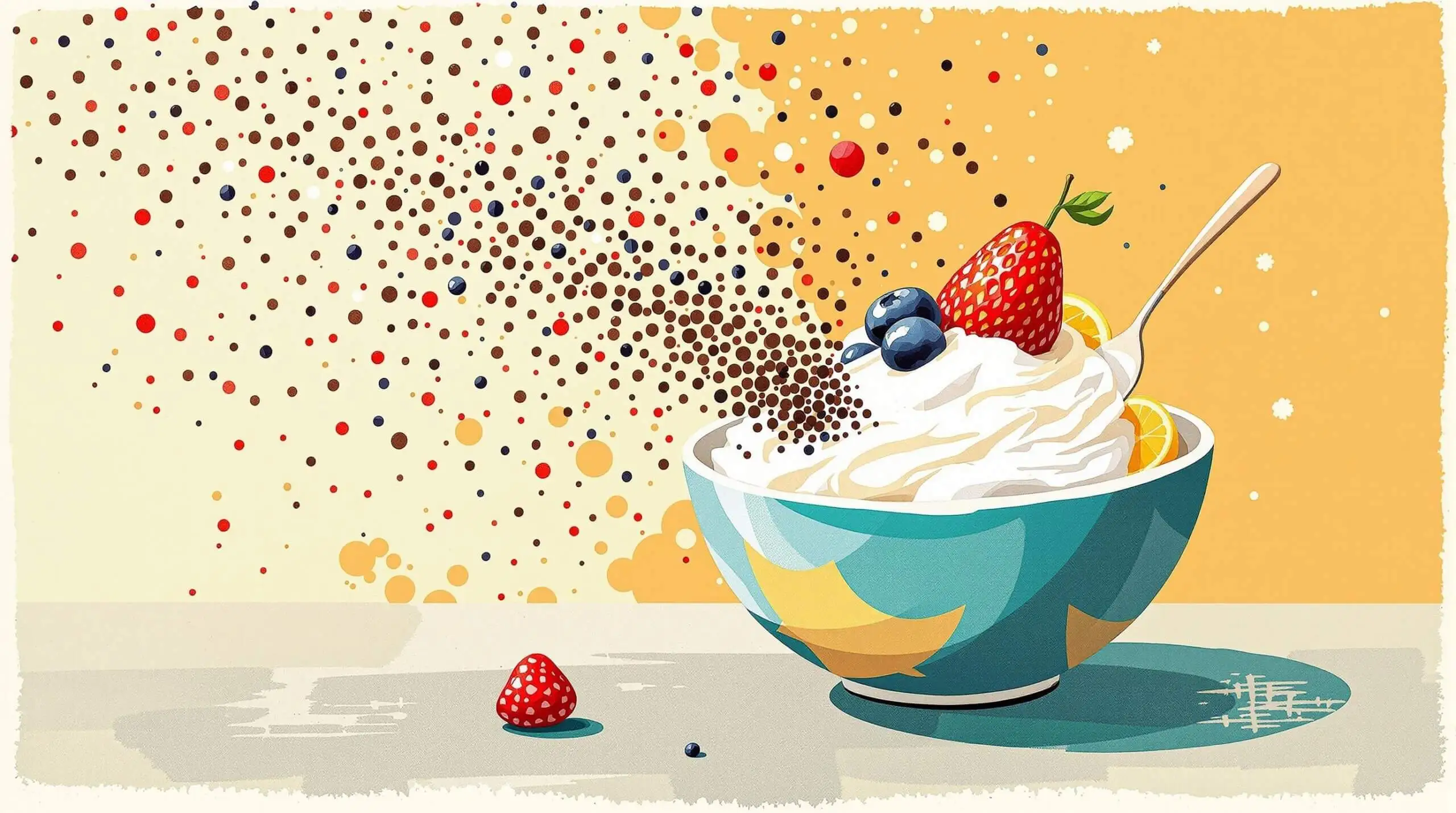
- Sprinkle on yogurt or oatmeal
- Use as an egg substitute in baking
- Blend into homemade energy bars
- Mix into salad dressings
- Add to whole-grain bread recipes
- Create a healthy jam alternative
- Incorporate into overnight oats
- Use as a thickener for soups and sauces
Optimal Consumption Guidelines
Start with one tablespoon daily and gradually increase to 1-2 tablespoons. Always hydrate well when consuming chia seeds, as they absorb significant amounts of water. The best times for consumption are: – Morning: For sustained energy – Pre-workout: To support endurance – Post-workout: For recovery support – Evening: As part of a sleep-supporting routine
Research-Backed Benefits for Aging
Cardiovascular Health
Heart health is crucial for longevity. Studies show that chia seeds can reduce blood pressure and improve cholesterol profiles. Their high fiber content helps remove excess cholesterol from the bloodstream, while omega-3s support healthy heart rhythm and reduce inflammation in blood vessels.
Bone Health
Chia seeds are rich in calcium, phosphorus, and magnesium – essential minerals for bone health. As we age, maintaining bone density becomes increasingly important. Research indicates that the calcium in chia seeds is highly bioavailable, making them an excellent plant-based source for bone health support.
Brain Function
The omega-3 fatty acids in chia seeds support cognitive health and may help prevent age-related mental decline. Studies suggest that regular consumption of ALA-rich foods like chia seeds can improve memory and reduce inflammation in the brain.
Safety and Considerations
- Start with small amounts to assess tolerance
- Drink plenty of water with chia seeds
- Consider potential interactions with blood-thinning medications
- Store properly to prevent rancidity
- Choose organic when possible to avoid pesticide exposure
- Monitor portion sizes to prevent excessive calorie intake
Future Research and Potential
Emerging Studies
Current research is exploring chia seeds’ potential role in: – DNA repair mechanisms – Cellular senescence prevention – Mitochondrial function enhancement – Gut microbiome optimization These studies may reveal additional ways that chia seeds support healthy aging.
Innovation in Applications
Food scientists are developing new ways to maximize chia seeds’ benefits through: – Enhanced absorption techniques – Novel food applications – Targeted delivery systems – Combination with other longevity-promoting compounds
Recommendations for Optimal Benefits
- Choose high-quality, fresh chia seeds
- Store in an airtight container in a cool, dark place
- Grind seeds before consumption for better nutrient absorption
- Combine with other nutrient-rich foods
- Maintain consistent daily intake
- Monitor hydration levels
- Consider timing of consumption for maximum benefit
Chia seeds represent a simple yet powerful addition to any longevity-focused diet. Their impressive nutrient profile, combined with ease of use and versatility, makes them an ideal food for supporting healthy aging. By incorporating these tiny seeds into your daily routine, you can harness their potential to enhance cellular health, reduce inflammation, and support overall longevity. The key is consistency and proper preparation, allowing these ancient seeds to contribute to your modern health goals.
Reviewed by a Longevity Practitioner
Laura Morgan
Medical Reviewer (CLP, LPI — Longevity Practitioner)
Scientific Reviewer at Longevity Direct. A New York-based expert in female healthspan (40+), Laura ensures all content meets our rigorous standards for scientific accuracy and practical application. She is committed to delivering evidence-based guidance that empowers our members to optimize their biological aging.
Find out which longevity treatments are right for you.
Takes ~3 minutes · No commitment · Physician-led
Sources & References
- [1](2016). Chia Seeds: Overview, Health Benefits, and How to Prepare. Healthline.
- [2](2017). 11 Proven Health Benefits of Chia Seeds. Healthline.