Dynamic Stretching: Flexibility’s Link to Lifespan
Exploring how dynamic stretching can enhance flexibility and potentially extend lifespan.

For informational purposes only — not medical advice. Consult a healthcare provider before starting any supplement or protocol. · Reviewed September 2025 · Laura Morgan
Understanding Dynamic Stretching and Its Impact on Longevity
The Connection Between Flexibility and Lifespan
Dynamic stretching isn’t just about touching your toes or preparing for exercise – it’s a vital component of healthy aging. Recent research shows that maintaining flexibility through dynamic movement can significantly impact both mobility-longevity-8704734′ target=’_blank’>lifespan and quality of life[2]. The science is clear: people who maintain good flexibility as they age typically live longer, more active lives.
The Science of Dynamic Stretching
Dynamic stretching involves moving parts of your body through a full range of motion while staying in constant movement. Unlike static stretching, where you hold a position, dynamic stretching keeps your body moving. This approach increases blood flow, improves joint mobility, and enhances muscle function. Studies indicate that these movements trigger positive cellular responses that can slow down biological aging.
Historical Context and Evolution
The importance of movement in longevity isn’t new. Ancient practices like Tai Chi and yoga have emphasized dynamic movement for centuries. Modern research now validates these traditional approaches, showing that regular dynamic stretching can reduce inflammation, improve cardiovascular health, and maintain muscle function – all crucial factors in extending lifespan.
Common Misconceptions
Many people believe flexibility is something you either have or don’t have. This isn’t true. Flexibility can be improved at any age, and dynamic stretching is one of the most effective methods. Another myth is that stretching is only important for athletes or yoga practitioners. In reality, maintaining flexibility through dynamic stretching is crucial for everyone, especially as we age.
Research and Statistics
The numbers paint a compelling picture. Studies show that individuals who maintain good flexibility through dynamic stretching have up to 30% lower risk of cardiovascular disease. Research from the National Institutes of Health indicates that regular dynamic stretching can reduce the risk of falls in older adults by up to 40% – a significant factor in maintaining independence and longevity.
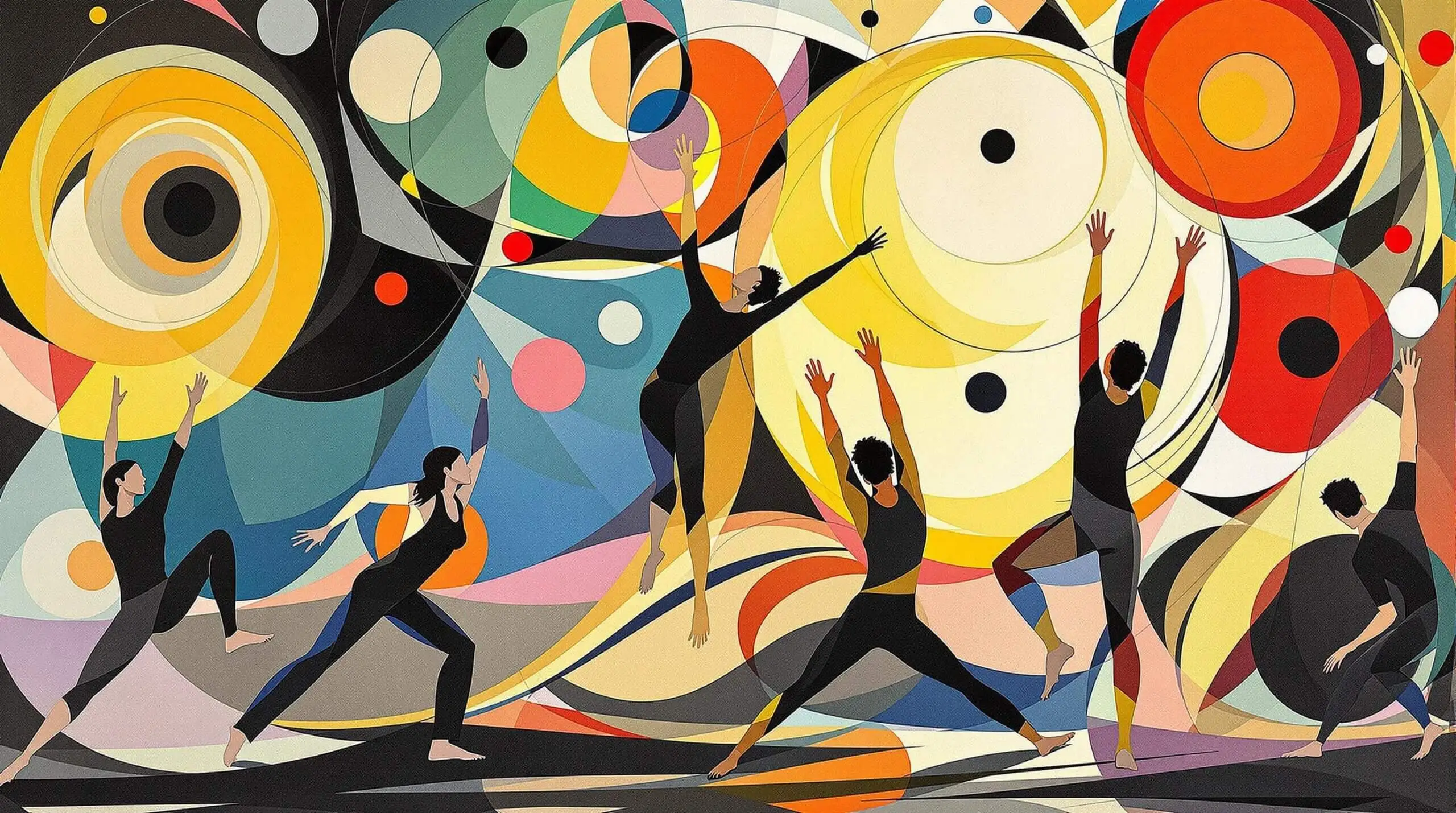
The Current Landscape of Dynamic Stretching Research
Modern Applications of Dynamic Stretching
Today’s approach to dynamic stretching combines traditional wisdom with modern science. Research shows that incorporating dynamic stretching into daily routines can improve circulation, enhance neural activation, and maintain muscle elasticity. These benefits directly contribute to better aging outcomes and increased lifespan.
Integration with Other Exercise Forms
Dynamic stretching works best as part of a comprehensive fitness routine. Studies indicate that combining dynamic stretching with strength training and cardiovascular exercise creates a synergistic effect, potentially adding years to life expectancy. The key is consistency and proper form, rather than intensity.
Exploring the Mechanisms of Flexibility and Longevity
Cellular Benefits of Dynamic Movement
At the cellular level, dynamic stretching stimulates the production of synovial fluid in joints, maintains muscle fiber elasticity, and promotes circulation. These factors combine to reduce inflammation and oxidative stress – two major contributors to aging. Recent studies suggest that regular dynamic stretching might even influence telomere length, a key marker of cellular aging.
Impact on Joint Health and Mobility
Healthy joints are crucial for longevity. Dynamic stretching helps maintain joint capsule health, reduces the risk of arthritis, and preserves range of motion. Research shows that people who maintain joint mobility through dynamic stretching typically remain independent longer in their later years.
Cardiovascular Connections
Dynamic stretching has surprising benefits for heart health. The continuous movement involved increases heart rate moderately and improves blood flow to muscles and organs. Studies indicate this can lead to better cardiovascular health and reduced risk of heart disease – a major factor in longevity.
Essential Dynamic Stretching Techniques for Longevity
- Arm circles and shoulder rolls for upper body mobility
- Hip circles and leg swings for lower body flexibility
- Walking lunges with torso rotation for full-body integration
- Knee drives for hip mobility and core strength
- Ankle rotations for lower limb circulation
- Neck mobility exercises for upper spine health
- Dynamic hamstring stretches for posterior chain flexibility
- Torso twists for spinal mobility
- Dynamic quad stretches for leg strength and balance
- Controlled arm swings for shoulder mobility
Implementing Dynamic Stretching for Maximum Benefit
Daily Routines for Optimal Results
The most effective approach to dynamic stretching involves consistent, daily practice. A morning routine of 10-15 minutes can set the foundation for better mobility throughout the day. Research shows that this simple habit can significantly impact long-term health outcomes and longevity.
Age-Specific Considerations
Dynamic stretching needs vary with age. Younger adults might focus on performance enhancement, while older adults should prioritize maintaining mobility and preventing stiffness. The key is adapting the intensity and complexity of movements to match individual capabilities while still challenging the body appropriately.
Safety Guidelines and Best Practices
- Start with gentle movements and gradually increase intensity
- Maintain proper breathing throughout exercises
- Stay within a comfortable range of motion
- Avoid bouncing or jerking movements
- Listen to your body and adjust accordingly
- Stay consistent with daily practice
- Warm up properly before more intense stretching
- Stay hydrated before and after stretching
- Monitor progress and adjust routines as needed
- Consult healthcare providers about specific limitations
Future Developments in Flexibility Research
Research continues to uncover new connections between flexibility and longevity. Scientists are studying how dynamic stretching affects gene expression and cellular repair mechanisms. Early results suggest that regular dynamic stretching might activate longevity genes and improve cellular health more significantly than previously thought.
The connection between dynamic stretching and longevity is more than just maintaining flexibility – it’s about creating conditions for optimal aging. Through regular dynamic stretching, we can maintain mobility, reduce injury risk, and potentially extend our lifespan. The key is starting now and making it a consistent part of daily life. Whether you’re 25 or 75, incorporating dynamic stretching into your routine can contribute significantly to both current health and future longevity.
Reviewed by a Longevity Practitioner
Laura Morgan
Medical Reviewer (CLP, LPI — Longevity Practitioner)
Scientific Reviewer at Longevity Direct. A New York-based expert in female healthspan (40+), Laura ensures all content meets our rigorous standards for scientific accuracy and practical application. She is committed to delivering evidence-based guidance that empowers our members to optimize their biological aging.
Find out which longevity treatments are right for you.
Takes ~3 minutes · No commitment · Physician-led
Sources & References
- [1](2023). Joint Mobility Exercises. Healthline.
- [2](2021). Does Exercise Improve Lifespan. National Center for Biotechnology Information.
- [3](2023). Dynamic Stretching. Healthline.