Giving Back, Living Longer: The Lifespan Benefits of Volunteering
Discover how volunteering not only enriches communities but also extends your lifespan and improves overall well-being.
For informational purposes only — not medical advice. Consult a healthcare provider before starting any supplement or protocol. · Reviewed May 2025 · Laura Morgan
Understanding the Connection Between Volunteering and Longevity
The Powerful Link Between Giving and Living Longer
Here’s something that might surprise you: volunteering isn’t just good for the soul – it’s good for your lifespan too. Research published in the American Journal of Public Health shows that people who volunteer regularly have a 22% lower mortality rate than those who don’t.[2] That’s not just a feel-good statistic – it’s a life-changing one.
The Science Behind Volunteering’s Health Benefits
When you volunteer, your body responds in remarkable ways. Your brain releases dopamine and oxytocin, often called the “helper’s high.” But it goes deeper than just feeling good. Studies show that regular volunteering reduces chronic stress levels, lowers blood pressure, and strengthens the immune system. These physiological changes directly impact how we age.
Historical Context and Evolution
The connection between social contribution and longevity isn’t new. Traditional societies have long recognized the value of community service in maintaining health and vitality. Modern research has caught up to this ancient wisdom. The Harvard Study of Adult Development, running for over 80 years, consistently shows that strong social connections – including those formed through volunteering – are crucial for both health and longevity.
Common Misconceptions
Many people think volunteering is just about helping others. While that’s important, the health benefits are equally significant. Another myth is that you need to commit lots of time to see benefits. Research shows that just 2-3 hours per week of volunteer work can yield meaningful health improvements. You don’t need to be retired or have endless free time to reap the rewards.
The Numbers Don’t Lie
Studies paint a compelling picture. Regular volunteers experience a 20% reduction in mortality risk compared to non-volunteers. They’re 30% less likely to suffer from depression, and their risk of high blood pressure drops by 40%. For adults over 50, volunteering reduces the risk of cognitive decline by up to 2.44 times.
The Current Landscape of Volunteering and Health
Modern Approaches to Volunteer Engagement
Today’s volunteering looks different from the past. Virtual opportunities have expanded access, making it easier to contribute meaningfully while managing busy schedules. This flexibility means more people can participate and gain health benefits. Digital platforms connect volunteers with causes they care about, creating more meaningful and sustained engagement.
Physical and Mental Health Impact
Regular volunteering creates a positive feedback loop for health. Physical activities like community clean-ups or helping at food banks provide natural exercise. Mental stimulation comes from problem-solving and learning new skills. Social interaction builds strong support networks – a key factor in longevity. Studies show volunteers have lower rates of heart disease and better cognitive function as they age.
Deep Dive: How Volunteering Extends Life
Biological Mechanisms
Volunteering affects our biology in fascinating ways. It reduces levels of inflammatory markers like C-reactive protein, which is linked to various age-related diseases. The social connections formed through volunteering boost production of natural killer cells, strengthening immune function. Regular volunteer work also helps maintain healthy cortisol patterns, crucial for stress management and cellular aging.
Psychological Benefits
The mental health benefits are equally impressive. Volunteering provides purpose and meaning – factors strongly linked to longevity. It reduces isolation and loneliness, which research shows can be as harmful to health as smoking 15 cigarettes daily. The sense of accomplishment and social connection creates positive psychological states that directly influence physical health.
Social Impact on Health
Strong social networks, built through volunteering, create a buffer against health challenges. These connections provide practical support during illness and emotional support during stress. They also encourage healthy behaviors and create accountability for maintaining good health habits.
Types of Volunteering with Maximum Health Benefits
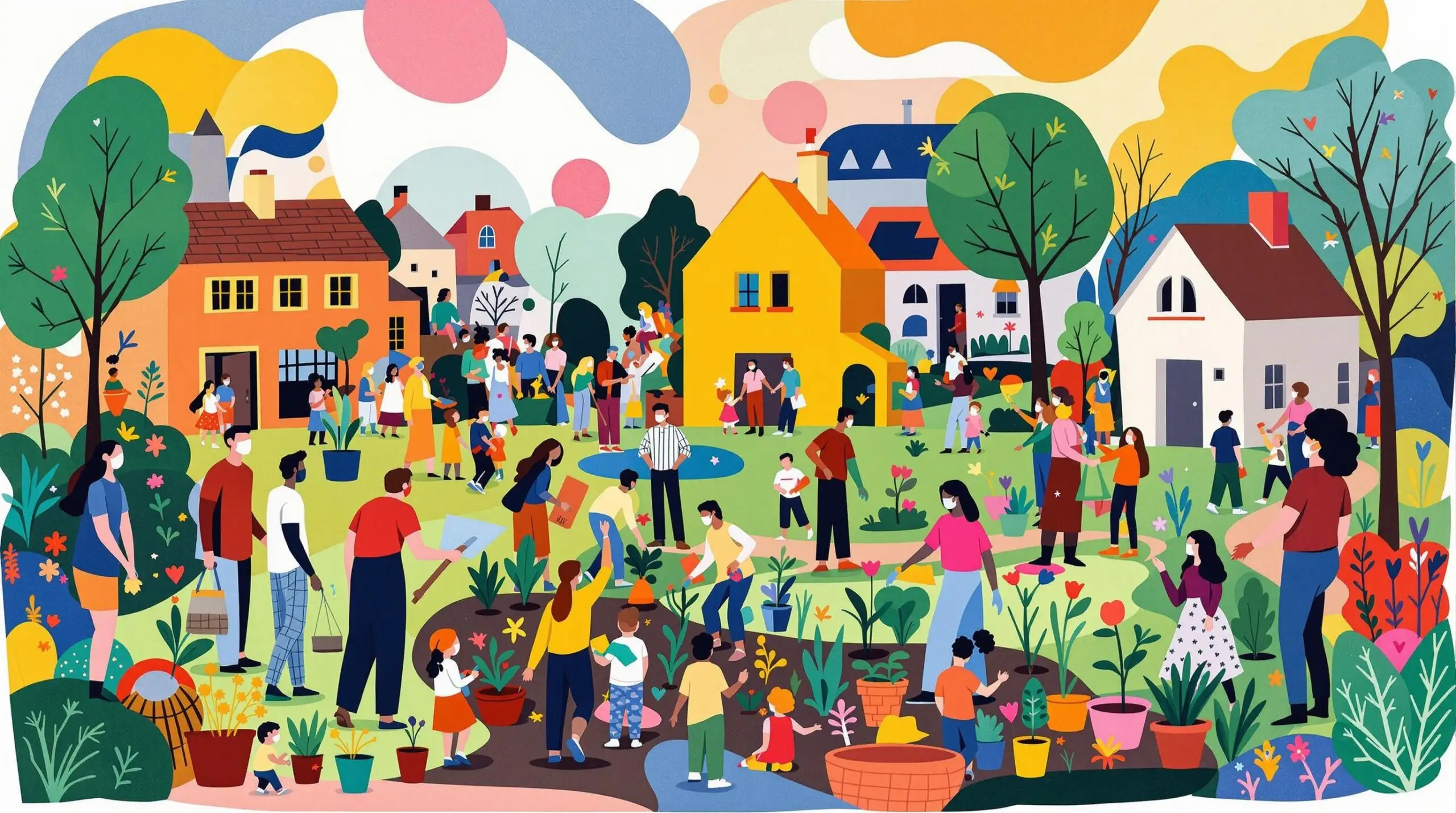
- Physical activities (community gardens, habitat restoration)
- Social support roles (mentoring, senior companionship)
- Skill-based volunteering (teaching, consulting)
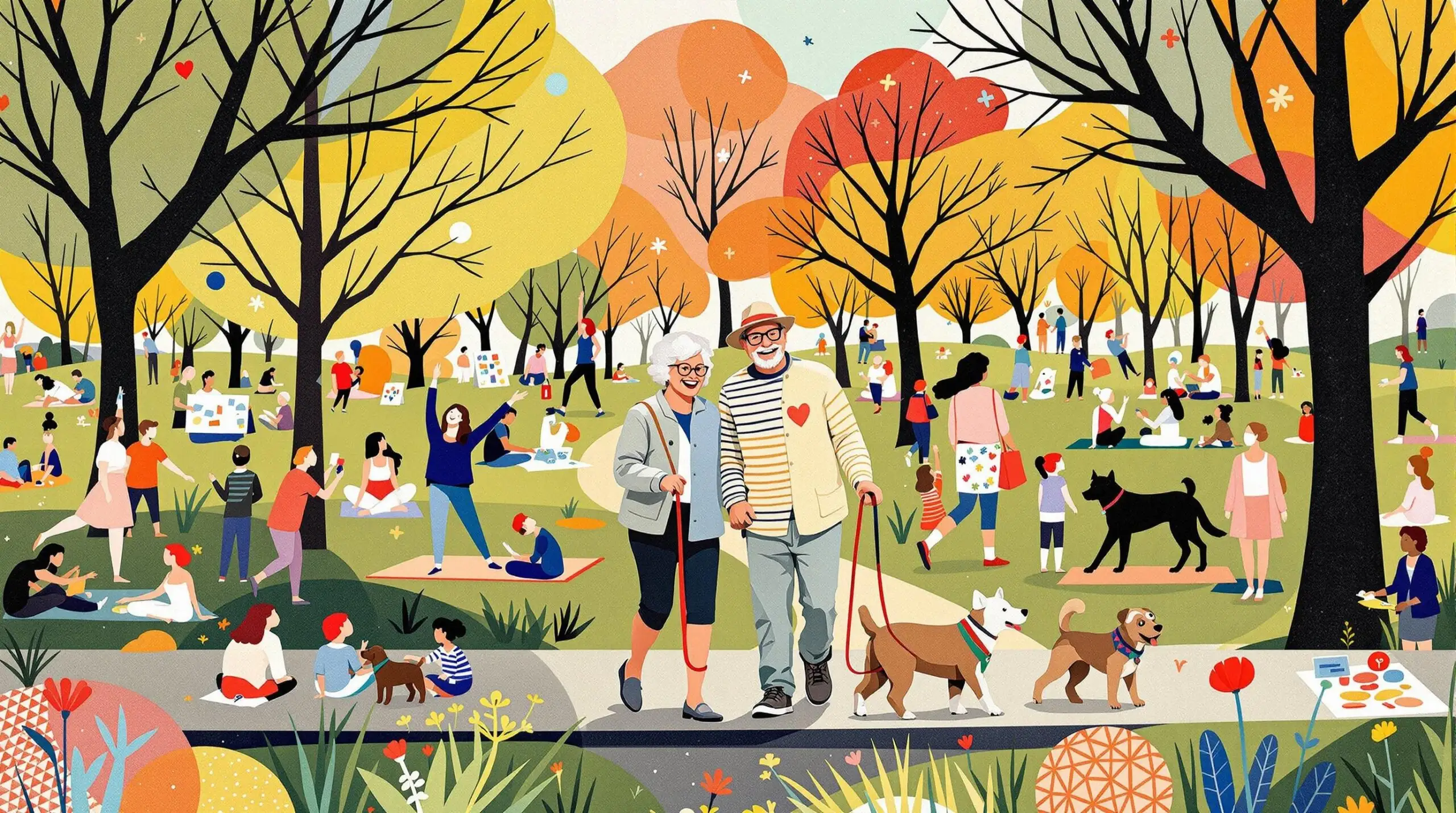
- Animal-related activities (shelter work, dog walking)
- Environmental conservation efforts
- Food bank or meal delivery services
- Healthcare support roles
- Cultural and arts organizations
- Youth education and development
- Disaster response and recovery
Practical Guidelines for Health-Promoting Volunteering
- Start with 2-3 hours weekly
- Choose activities that match your physical capabilities
- Select causes you’re passionate about
- Maintain consistent involvement
- Balance social and task-oriented activities
- Set boundaries to prevent burnout
- Track your involvement and health changes
- Mix up activities to maintain engagement
- Build relationships with fellow volunteers
- Consider long-term commitments for maximum benefit
Maximizing the Longevity Benefits of Volunteering
Finding Your Perfect Volunteer Match
The key to lasting benefits is finding the right volunteer opportunity. Consider your interests, skills, and physical capacity. Look for roles that challenge you while remaining enjoyable. Research shows that forced or obligatory volunteering doesn’t provide the same health benefits as freely chosen activities.
Building Sustainable Volunteer Habits
Creating lasting volunteer habits requires strategy. Start small and build gradually. Set realistic schedules that you can maintain long-term. Mix social elements with task-focused activities. Regular evaluation helps ensure your volunteer work continues to serve both you and your chosen cause.
Future Trends in Volunteering and Longevity
Emerging Research and Developments
Scientists are discovering new connections between volunteering and health. Current studies focus on how different types of volunteer work affect specific health markers. Research into telomere length – a key indicator of cellular aging – shows promising links to regular volunteering. New technologies are making it easier to measure these health impacts in real-time.
Innovation in Volunteer Engagement
The future of volunteering looks bright. Virtual reality platforms are creating immersive volunteer experiences. Artificial intelligence helps match volunteers with optimal opportunities. These innovations make it easier for people to find meaningful volunteer work that benefits their health.
Recommendations for Getting Started
- Research local volunteer opportunities
- Contact organizations directly about their needs
- Start with a short-term commitment
- Keep a journal of your experiences
- Monitor your health metrics
- Connect with experienced volunteers
- Join volunteer groups on social media
- Attend volunteer orientation sessions
- Ask about skills training opportunities
- Create a sustainable schedule
Volunteering offers a unique path to increased longevity. The evidence is clear: regular volunteer work adds both years to life and life to years. The combination of physical activity, social connection, and sense of purpose creates powerful health benefits. By choosing meaningful volunteer work and maintaining consistent involvement, you can enhance your health while making a positive impact on your community. The key is starting now and making volunteering a regular part of your lifestyle.
Reviewed by a Longevity Practitioner
Laura Morgan
Medical Reviewer (CLP, LPI — Longevity Practitioner)
Scientific Reviewer at Longevity Direct. A New York-based expert in female healthspan (40+), Laura ensures all content meets our rigorous standards for scientific accuracy and practical application. She is committed to delivering evidence-based guidance that empowers our members to optimize their biological aging.
Find out which longevity treatments are right for you.
Takes ~3 minutes · No commitment · Physician-led