HIIT for Longevity: High Intensity, High Lifespan
Discover how high-intensity interval training (HIIT) can boost your lifespan and improve overall health.


For informational purposes only — not medical advice. Consult a healthcare provider before starting any supplement or protocol. · Reviewed September 2025 · Laura Morgan
Understanding HIIT and Longevity: The Basics
What is HIIT and Why Does it Matter for Longevity?
High-Intensity Interval Training (HIIT) has emerged as a powerful tool in the quest for a longer, healthier life. This exercise method alternates between short bursts of intense activity and brief recovery periods[2]. The beauty of HIIT lies in its efficiency – you can achieve remarkable health benefits in just 20-30 minutes per session.
The Science Behind HIIT and Aging
HIIT’s impact on longevity operates at the cellular level. Research shows that these intense workouts trigger a process called mitochondrial biogenesis – essentially creating new power plants in your cells. A landmark study in Cell Metabolism revealed that HIIT can reverse age-related decline in mitochondrial function by up to 69% in older adults. That’s like giving your cellular batteries a serious upgrade.
Origins and Evolution of HIIT Research
While interval training has existed for decades, its connection to longevity gained attention in the early 2000s. The Mayo Clinic’s groundbreaking research demonstrated that HIIT outperforms moderate exercise in improving cardiorespiratory fitness, insulin sensitivity, and cellular health markers. Recent studies continue to uncover new benefits, from enhanced brain function to improved DNA repair mechanisms.
Challenges and Common Myths
The biggest misconception? That HIIT requires extreme fitness levels. In reality, high-intensity is relative to your personal capacity. Another myth suggests that HIIT increases injury risk – but proper form and gradual progression actually make it safe for most people. The key lies in starting at your own pace and building up gradually.
Statistics and Research Findings
The numbers paint an impressive picture. Studies indicate that regular HIIT can increase life expectancy by 3-7 years. Research published in the British Journal of Sports Medicine found that HIIT reduces the risk of death from all causes by 30%. Most remarkably, just 12 weeks of HIIT can improve VO2 max by up to 15% – a key marker of longevity.
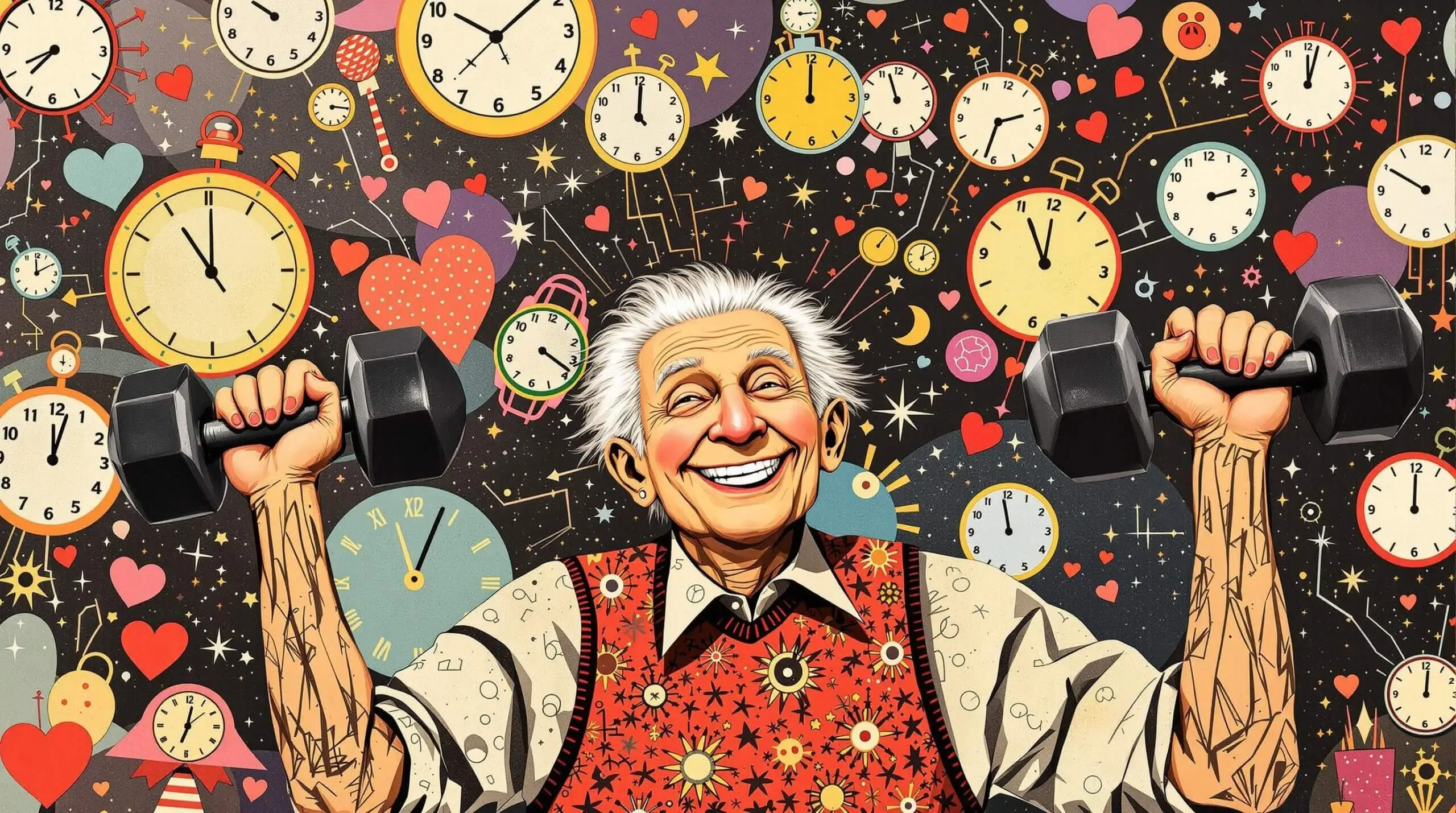
The Current Landscape of HIIT and Longevity Science
Modern Applications of HIIT
Today’s HIIT protocols focus on personalization and sustainability. The classic Tabata method (20 seconds work, 10 seconds rest) remains popular, but variations abound. Some programs extend work periods to 30-40 seconds for beginners. Others incorporate strength training elements, creating a comprehensive approach to fitness and longevity.
HIIT’s Role in Biological Age Reduction
Recent research from Norway shows that HIIT can reduce biological age markers more effectively than traditional exercise. The key lies in its ability to activate sirtuins – proteins that regulate cellular health and aging. Think of them as your body’s maintenance crew, working overtime during HIIT sessions.
HIIT and Longevity: Mechanisms and Benefits
Cellular Adaptations and Longevity Pathways
HIIT triggers multiple longevity-promoting pathways. It activates AMPK (the cellular energy sensor) and increases production of brain-derived neurotrophic factor (BDNF), supporting both metabolic health and cognitive function. These adaptations create a cascade of positive effects throughout the body.
Metabolic Enhancement and Age-Related Disease Prevention
The metabolic benefits of HIIT extend far beyond calorie burning. It improves insulin sensitivity by up to 58%, reduces inflammation markers, and enhances fat oxidation. These changes directly combat age-related diseases like diabetes, heart disease, and cognitive decline.
Hormonal Optimization
HIIT creates a powerful hormonal response. It boosts growth hormone production by up to 450% and increases testosterone levels in both men and women. These hormonal changes support muscle maintenance, bone density, and cognitive function – all crucial for healthy aging.
Essential Components of HIIT for Longevity
- Work intervals ranging from 20-60 seconds
- Recovery periods of equal or shorter duration
- Total workout time of 20-30 minutes
- Intensity levels at 80-95% of maximum heart rate
- 2-3 sessions per week for optimal results
- Proper warm-up and cool-down periods
- Progressive overload to maintain adaptation
- Adequate recovery between sessions
- Hydration before, during, and after workouts
- Regular monitoring of progress and recovery
Practical HIIT Protocols for Different Ages
Young Adults (20-40)
This age group can handle higher intensities and shorter rest periods. A typical protocol might include 30 seconds of all-out effort followed by 30 seconds of recovery, repeated 8-12 times. Exercises can include sprinting, burpees, or high-intensity cycling.
Middle Age (40-60)
Focus on maintaining intensity while extending recovery periods. A 1:2 work-to-rest ratio works well, such as 30 seconds of work followed by 60 seconds of recovery. Low-impact options like rowing or swimming reduce joint stress.
Seniors (60+)
Modified protocols emphasize safety while maintaining effectiveness. Start with 20 seconds of moderate-high intensity followed by 40-60 seconds of recovery. Chair-assisted exercises and water-based activities provide excellent options.
Optimizing HIIT for Maximum Longevity Benefits
Nutrition Strategies
Proper nutrition amplifies HIIT’s longevity benefits. Timing protein intake within 30 minutes post-workout supports muscle recovery. Including adequate carbohydrates maintains performance during high-intensity efforts. Anti-inflammatory foods like berries and leafy greens help manage exercise-induced oxidative stress.
Recovery Optimization
Recovery becomes crucial for maximizing HIIT’s longevity benefits. Sleep quality directly impacts exercise adaptation and cellular repair. Recovery techniques like cold exposure and compression therapy can accelerate healing between sessions.
Safety Considerations and Modifications
- Always start with a thorough medical clearance
- Begin with longer intervals and gradually increase intensity
- Monitor heart rate during and after sessions
- Listen to your body and adjust intensity accordingly
- Allow adequate recovery between sessions
- Modify exercises based on fitness level and limitations
- Stay hydrated throughout workouts
- Use proper form for all exercises
- Include regular deload weeks
- Track progress and recovery markers
Future Developments in HIIT and Longevity Research
Scientific advancement continues to reveal new aspects of HIIT’s impact on longevity. Researchers are exploring personalized HIIT protocols based on genetic profiles and biomarkers. Emerging studies focus on HIIT’s effects on telomere length and senescent cell clearance – key factors in biological aging.
HIIT stands as a powerful tool for extending both lifespan and healthspan. Its ability to trigger multiple longevity pathways while remaining time-efficient makes it invaluable for anyone serious about healthy aging. The key lies in consistent, appropriate application of HIIT principles, combined with proper recovery and nutrition. By incorporating HIIT into your lifestyle, you’re not just exercising – you’re investing in additional years of healthy, vibrant life.
Reviewed by a Longevity Practitioner
Laura Morgan
Medical Reviewer (CLP, LPI — Longevity Practitioner)
Scientific Reviewer at Longevity Direct. A New York-based expert in female healthspan (40+), Laura ensures all content meets our rigorous standards for scientific accuracy and practical application. She is committed to delivering evidence-based guidance that empowers our members to optimize their biological aging.
Find out which longevity treatments are right for you.
Takes ~3 minutes · No commitment · Physician-led