Intergenerational Living: How Elders and Kids Extend Lives
Explore how blending generations within a household can enhance longevity and enrich lives across ages.
For informational purposes only — not medical advice. Consult a healthcare provider before starting any supplement or protocol. · Reviewed September 2025 · Laura Morgan
Understanding Intergenerational Living and Longevity: The Basics
The Power of Cross-Generation Connections
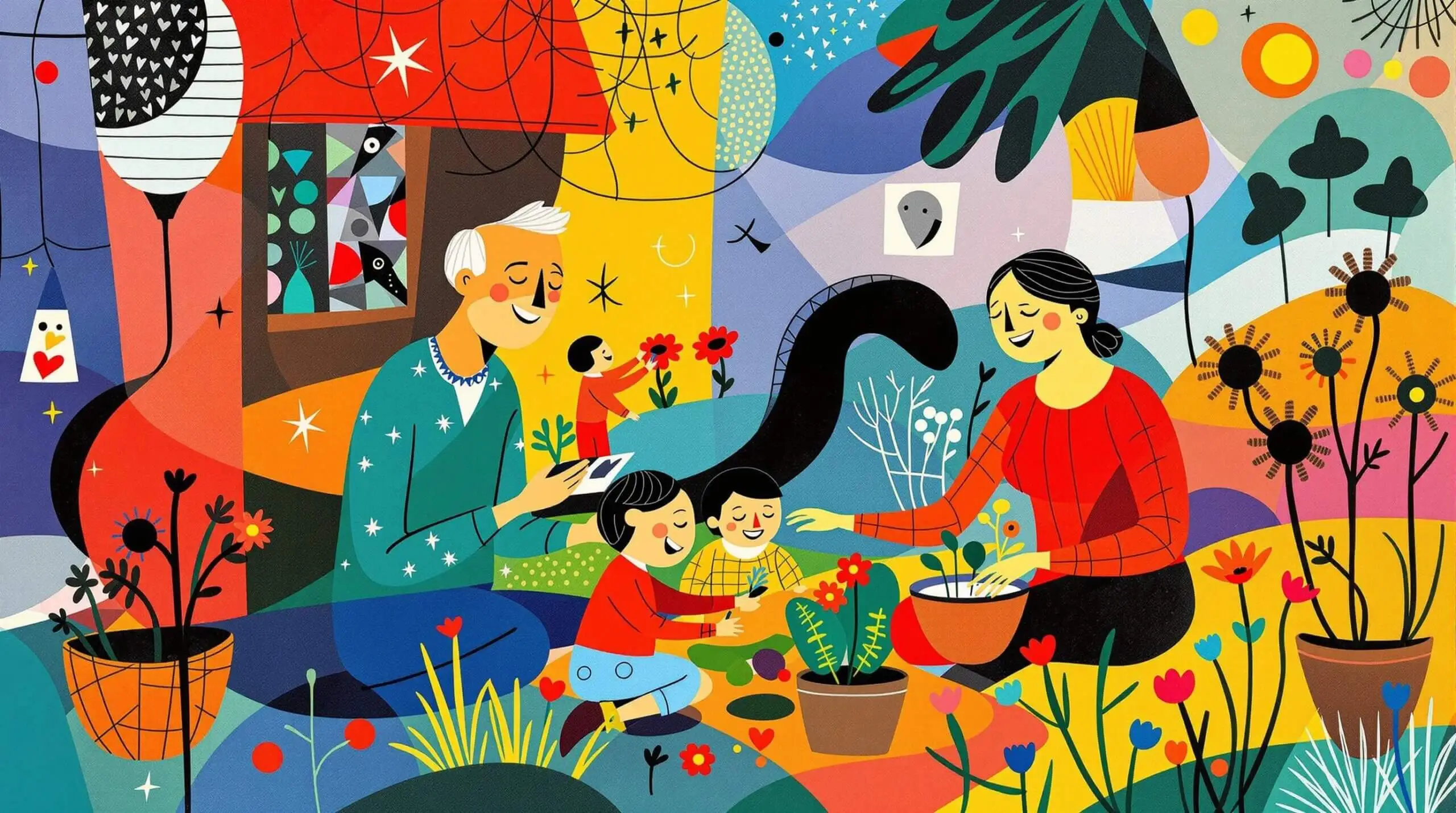
Living with or regularly interacting with different generations isn’t just heartwarming – it’s life-extending. Research shows that meaningful connections between older adults and children create remarkable health benefits for both groups[3]. It’s a biological symphony where each age group provides unique benefits to the other, resulting in increased longevity and improved quality of life.
The Science Behind Age-Mixed Communities
The physiological effects of intergenerational living are fascinating. When older adults regularly interact with children, their stress hormones decrease while oxytocin (the bonding hormone) increases. Studies indicate this hormonal balance reduces inflammation and improves immune function. For children, these interactions enhance emotional intelligence and reduce anxiety, setting the foundation for better mental health throughout life.
Historical Context and Modern Applications
Multi-generational living was the norm for most of human history. Modern research validates this ancient wisdom. Studies of Blue Zones – regions with the highest concentration of centenarians – consistently show strong intergenerational relationships as a key factor in longevity. Japan, known for its high life expectancy, maintains strong cultural traditions of multi-generational family structures.
Breaking Down Common Myths
The biggest misconception? That older adults need quiet, age-segregated environments to thrive. Research proves the opposite – seniors in age-mixed communities show better cognitive function and lower rates of depression. Another myth is that children’s development suffers in multi-generational settings. Studies show children in these environments develop stronger social skills and emotional resilience.
Key Statistics and Research Findings
The numbers are compelling. Seniors who regularly interact with children live an average of 2-3 years longer than their isolated peers. They’re 30% less likely to develop depression and show 20% lower rates of dementia. Children in intergenerational programs demonstrate 40% higher empathy scores and improved academic performance.
Current Trends in Intergenerational Living
Modern Models of Age Integration
Today’s intergenerational living takes many forms. Some communities combine preschools with senior centers. Others create housing developments specifically designed for mixed-age residents. These innovative models show remarkable success rates. Residents report higher life satisfaction and better health outcomes compared to traditional age-segregated living arrangements.
Technology’s Role in Cross-Generation Connections
Digital tools now bridge generational gaps in surprising ways. Video calls connect grandparents with grandchildren across distances. Gaming platforms create shared experiences between different age groups. Research shows these virtual interactions, while not replacing physical contact, still provide meaningful health benefits for both seniors and children.
Health Benefits and Mechanisms of Intergenerational Living
Physical Health Improvements
The physical benefits of intergenerational contact are measurable. Older adults who regularly interact with children show improved mobility, better cardiovascular health, and stronger immune systems. The simple act of playing with children increases physical activity levels naturally, without the structured format of exercise programs.
Cognitive Function and Mental Health
Brain health gets a significant boost from cross-generation interaction. Seniors engaged in teaching or mentoring children maintain sharper cognitive function. The mental stimulation of explaining concepts to young minds activates neural pathways and creates cognitive reserve – a key factor in preventing dementia.
Social and Emotional Impact
The social benefits extend both ways. Children develop better language skills, increased patience, and stronger emotional intelligence. Seniors experience reduced loneliness, increased sense of purpose, and improved mood stability. These emotional connections create a positive feedback loop, enhancing overall well-being for both groups.
Implementing Intergenerational Programs: Best Practices
- Create structured activities that benefit both age groups
- Ensure regular, consistent interaction opportunities
- Design spaces that accommodate different physical abilities
- Include both physical and mental activities
- Allow for spontaneous interactions
- Provide training for staff and caregivers
- Monitor and adjust programs based on feedback
- Include cultural and educational components
- Ensure safety protocols for all participants
- Create opportunities for skill sharing
Daily Activities That Promote Intergenerational Bonding
- Storytelling and oral history sharing
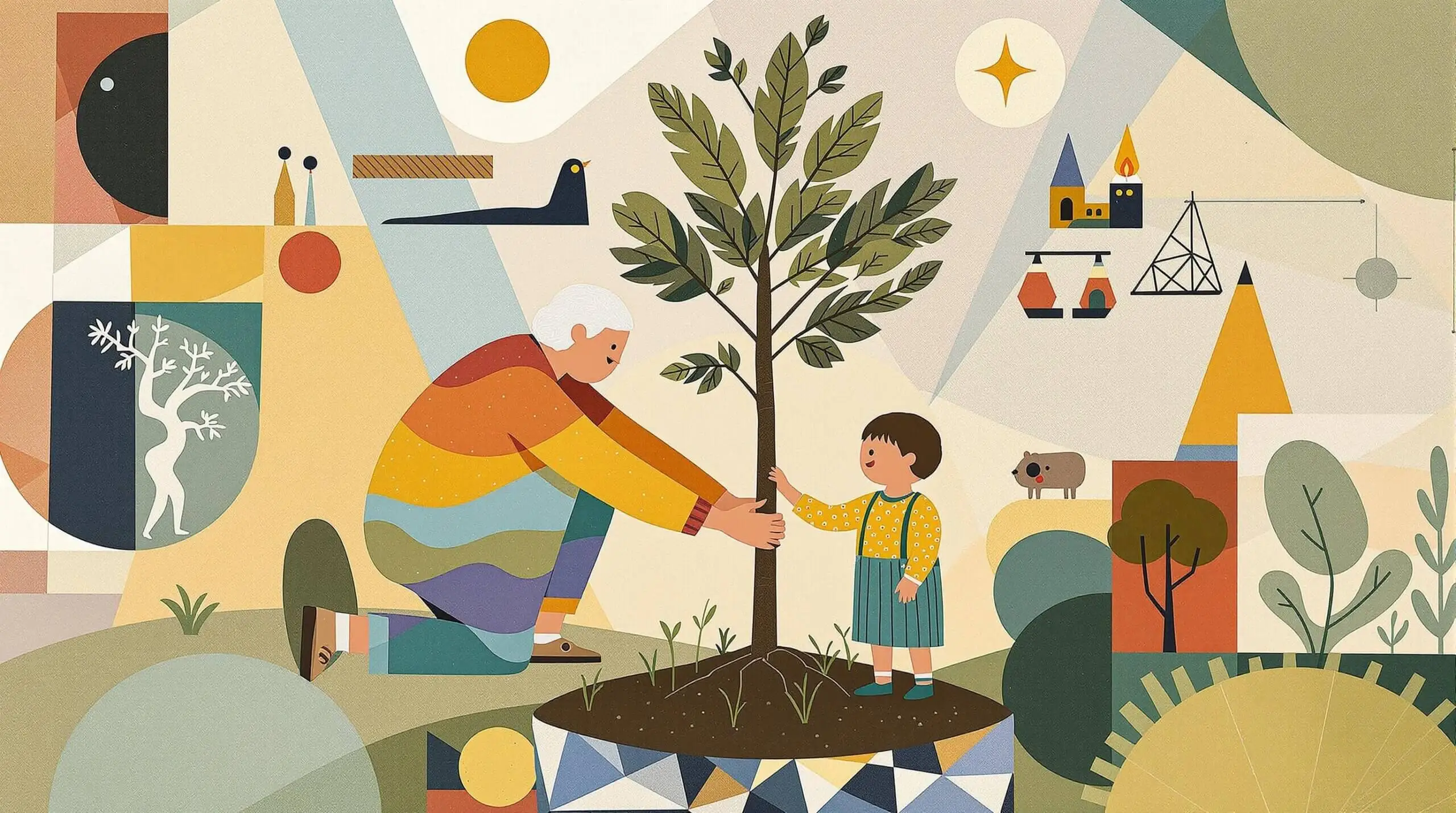
- Gardening projects
- Simple cooking activities
- Arts and crafts sessions
- Music and movement activities
- Reading together
- Light exercise or walking groups
- Technology teaching sessions
- Board games and puzzles
- Nature exploration activities
Establishing Successful Intergenerational Communities
Physical Space Design
Successful intergenerational spaces require thoughtful design. Common areas should accommodate different mobility levels. Lighting needs to work for both young and aging eyes. Acoustic considerations matter – spaces should allow for both lively activity and quiet conversation. Research shows that well-designed shared spaces increase interaction frequency by up to 50%.
Program Development and Implementation
Effective programs balance structure with flexibility. Regular scheduled activities provide consistency, while allowing room for natural interactions. The most successful programs incorporate activities that genuinely interest both age groups, rather than forcing artificial connections.
Safety and Health Considerations
Health protocols must protect vulnerable seniors while enabling meaningful interaction. This includes proper sanitization procedures, appropriate physical boundaries, and health screening when necessary. Well-implemented safety measures actually increase participation by building trust among all age groups.
The Future of Intergenerational Living
Emerging Trends and Innovations
New models of intergenerational living continue to evolve. Some communities experiment with shared housing programs pairing college students with seniors. Others create multi-family developments specifically designed for extended family living. These innovations show promising results for increasing longevity and life satisfaction.
Research Directions and Opportunities
Current research focuses on quantifying the health benefits of intergenerational contact. Scientists study biological markers like inflammation levels and immune function. New studies examine how different types of interaction affect cognitive decline and physical health outcomes.
Policy Implications and Recommendations
Policy makers increasingly recognize the value of intergenerational programs. Some countries now offer tax incentives for multi-generational housing. Healthcare systems begin to include social prescription programs that connect different age groups. These policy changes reflect growing evidence of the health benefits of age integration.
Measuring Success in Intergenerational Programs
- Track participation rates and engagement levels
- Monitor health outcomes for all age groups
- Collect feedback from participants and families
- Measure cognitive function changes over time
- Assess social connection indicators
- Document physical activity levels
- Evaluate program sustainability
- Record mental health improvements
- Monitor community integration levels
- Track long-term health outcomes
Intergenerational living offers a powerful, natural approach to extending life span and improving health outcomes. The evidence supporting its benefits grows stronger each year. By creating opportunities for meaningful connections between generations, we can enhance longevity while enriching lives at every age. The key lies in thoughtful implementation, consistent engagement, and recognition that every generation has valuable contributions to make to the others’ well-being.
Reviewed by a Longevity Practitioner
Laura Morgan
Medical Reviewer (CLP, LPI — Longevity Practitioner)
Scientific Reviewer at Longevity Direct. A New York-based expert in female healthspan (40+), Laura ensures all content meets our rigorous standards for scientific accuracy and practical application. She is committed to delivering evidence-based guidance that empowers our members to optimize their biological aging.
Find out which longevity treatments are right for you.
Takes ~3 minutes · No commitment · Physician-led