Longevity in Cold Climates: Nordic Secrets Unveiled
Discover the secrets behind the remarkable longevity of Nordic populations thriving in cold climates.

For informational purposes only — not medical advice. Consult a healthcare provider before starting any supplement or protocol. · Reviewed October 2025 · Laura Morgan
Understanding Longevity in Cold Climates: The Nordic Advantage
The Nordic Longevity Phenomenon
The Nordic countries consistently rank among the world’s happiest and longest-living populations. Finland, Norway, Sweden, and Iceland regularly appear in the top spots for life expectancy, with their citizens routinely living well into their 80s. This remarkable achievement isn’t just about genetics – it’s a fascinating combination of lifestyle, diet, and cultural practices that have evolved over centuries in these cold northern regions.
Cold Climate Benefits for Human Health
Cold exposure activates several biological mechanisms that can extend lifespan. When our bodies face cold temperatures, they activate brown fat, a specialized tissue that burns calories to generate heat. Research shows that regular cold exposure increases brown fat activity, improving metabolic health and potentially extending life span. Cold temperatures also reduce inflammation and oxidative stress – two major factors in aging.
Historical Context and Evolution
Nordic populations have adapted to their harsh environment over thousands of years. These adaptations include more efficient fat metabolism, better cold tolerance, and improved cardiovascular function. The traditional Nordic lifestyle, shaped by long winters and limited daylight, has created behavioral patterns that support longevity – including regular physical activity, social connection, and stress management.
Key Statistics and Research Findings
The numbers paint a clear picture: Iceland’s life expectancy stands at 83.3 years, Norway at 82.9, and Sweden at 82.8. These figures significantly exceed the global average of 72.6 years. Research indicates that people living in cold climates have 10% more brown fat than those in warmer regions, contributing to better metabolic health and potentially longer lives.
The Nordic Diet and Lifestyle Connection
Traditional Nordic Diet Benefits
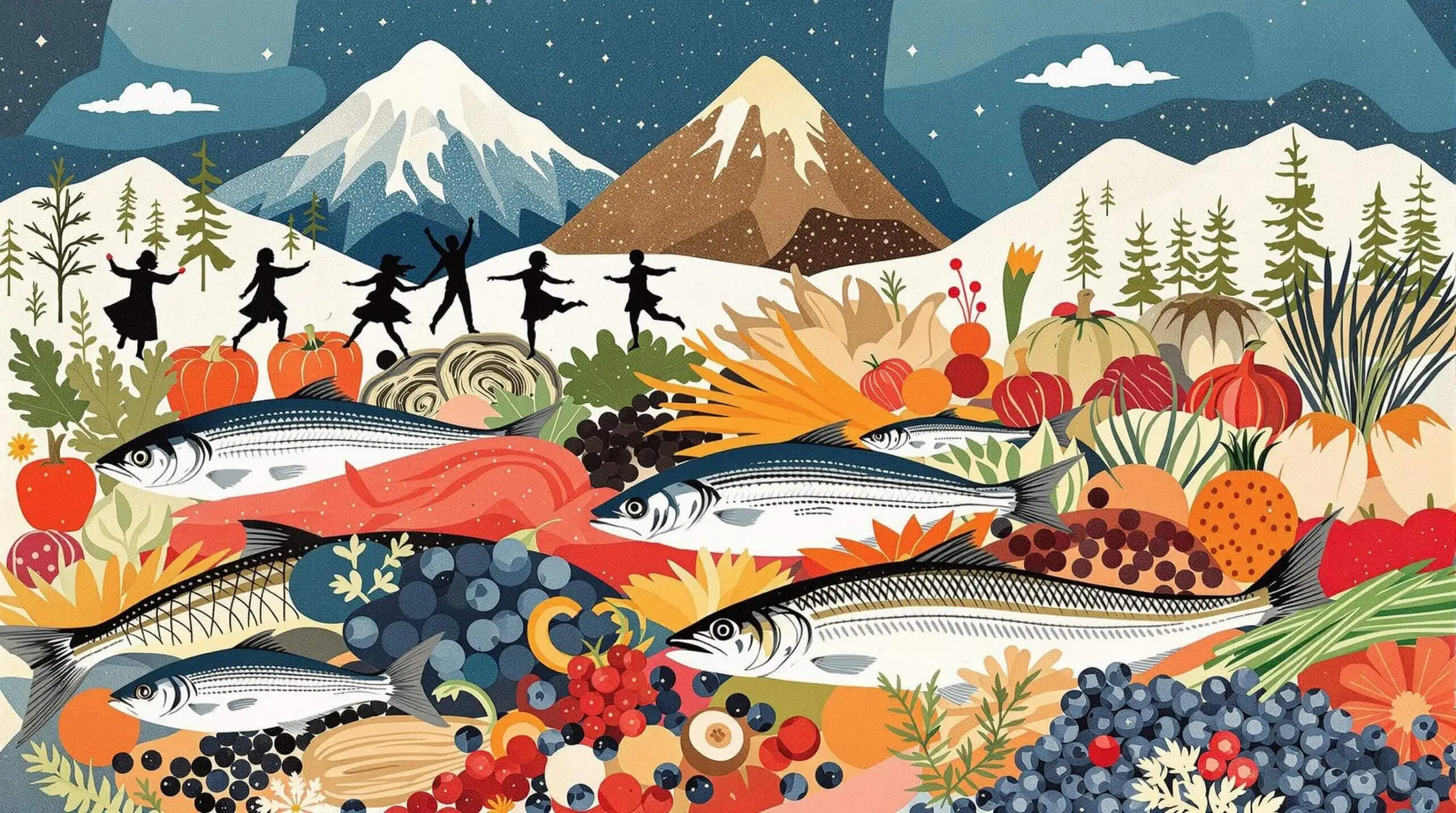
The Nordic diet emphasizes whole foods native to northern regions. Rich in fatty fish, berries, root vegetables, and whole grains, this eating pattern provides high levels of omega-3 fatty acids, antioxidants, and fiber. Studies show that following a Nordic diet can reduce inflammation markers by up to 25% and lower the risk of cardiovascular disease by 30%.
Physical Activity in Cold Climates
Nordic populations maintain high activity levels despite harsh weather. Winter sports, hiking, and outdoor activities are deeply embedded in their culture. Regular movement in cold conditions burns more calories and improves cardiovascular endurance. The practice of “friluftsliv” – outdoor living – encourages year-round activity regardless of weather.
Cold Adaptation and Cellular Health
Cellular Responses to Cold
Cold exposure triggers cellular adaptations that can slow aging. When exposed to cold, cells activate survival mechanisms that repair damage and remove waste more efficiently. This process, called hormesis, strengthens cellular resilience and can extend lifespan. Research shows that regular cold exposure can increase the production of heat-shock proteins, which protect cells from stress and aging.
Metabolic Advantages of Cold Climate Living
Living in cold environments forces the body to maintain efficient metabolism. The increased energy expenditure required for thermoregulation can improve insulin sensitivity and reduce the risk of metabolic diseases. Studies indicate that people in cold climates have better glucose control and lower rates of obesity.
The Nordic approach to winter includes embracing rather than fighting the cold and dark. This mindset, combined with practices like sauna use and cold immersion, supports mental health and stress reduction. Regular sauna use is associated with a 40% lower risk of mental health disorders and improved sleep quality.
Nordic Longevity Practices for Everyone
- Regular cold exposure through winter walks or cold showers
- Adoption of traditional Nordic diet principles
- Emphasis on outdoor activity regardless of weather
- Regular sauna use followed by cold exposure
- Maintaining strong social connections
- Practicing stress reduction through nature connection
- Getting adequate vitamin D through supplementation
- Engaging in regular physical activity
- Prioritizing quality sleep and rest
- Consuming fermented foods for gut health
Scientific Research and Future Directions
Current research is examining the molecular mechanisms behind cold-induced longevity benefits. Scientists are particularly interested in how cold exposure affects mitochondrial function and cellular repair processes. New studies are investigating the potential of “cold therapy” protocols for extending healthy lifespan.
The science of cold climate longevity offers valuable insights for people worldwide. While we can’t all live in Nordic countries, we can adopt many of their beneficial practices. The combination of cold exposure, nutritious diet, regular activity, and strong social connections creates a powerful formula for a longer, healthier life. These principles, when adapted thoughtfully, can enhance longevity regardless of geographic location.
Practical Implementation Tips
- Start with brief cold exposures and gradually increase duration
- Incorporate Nordic-style whole foods into daily meals
- Practice outdoor activities in all weather conditions
- Use contrast therapy (hot-cold) for circulation benefits
- Build strong social networks and community connections
- Maintain consistent sleep patterns despite seasonal changes
- Include regular strength training and cardiovascular exercise
- Monitor vitamin D levels and supplement as needed
- Practice stress management through nature exposure
- Create cozy, comfortable indoor environments for winter months
The Nordic approach to longevity offers valuable lessons about the relationship between environment, lifestyle, and health. By understanding and applying these principles, we can work toward extending our own healthspans. The key is not just surviving in cold climates, but thriving through practices that have sustained northern populations for generations. Through careful adaptation of these methods, anyone can benefit from the wisdom of Nordic longevity practices.
Reviewed by a Longevity Practitioner
Laura Morgan
Medical Reviewer (CLP, LPI — Longevity Practitioner)
Scientific Reviewer at Longevity Direct. A New York-based expert in female healthspan (40+), Laura ensures all content meets our rigorous standards for scientific accuracy and practical application. She is committed to delivering evidence-based guidance that empowers our members to optimize their biological aging.
Find out which longevity treatments are right for you.
Takes ~3 minutes · No commitment · Physician-led