Microplastics, Macro Problems: Environmental Toxins and Aging
Exploring the impact of microplastics on environmental health and their potential role in accelerating aging.

For informational purposes only — not medical advice. Consult a healthcare provider before starting any supplement or protocol. · Reviewed November 2025 · Laura Morgan
Understanding Microplastics and Their Impact on Health
The Growing Threat of Microplastic Pollution
Microplastics have infiltrated every corner of our environment. These tiny plastic particles, smaller than 5 millimeters, are now found in our food, water, and even the air we breathe. Recent studies have detected microplastics in human blood, placenta, and organs – a disturbing development that raises serious questions about their effects on human health and aging.
The Science Behind Microplastic Accumulation
Our bodies weren’t designed to process synthetic materials. When microplastics enter our system, they can trigger inflammatory responses and oxidative stress – two key drivers of accelerated aging. Research from the University of Hull shows that these particles can cross biological barriers, including the blood-brain barrier, potentially disrupting crucial cellular functions.
Environmental Toxins and Cellular Aging
The relationship between environmental toxins and aging isn’t new, but microplastics present unique challenges. Unlike traditional pollutants, plastic particles can act as magnets for other harmful chemicals, creating a cocktail of toxins that accumulates in our tissues. Studies indicate that this accumulation may accelerate telomere shortening, a fundamental marker of biological aging.
Current Research and Findings
The numbers are stark. An average person ingests approximately 5 grams of plastic every week – equivalent to eating a credit card. Marine biologists have found microplastics in 114 aquatic species, and recent human studies show these particles in 80% of tested blood samples. Each discovery adds to our understanding of how these modern pollutants affect our longevity.
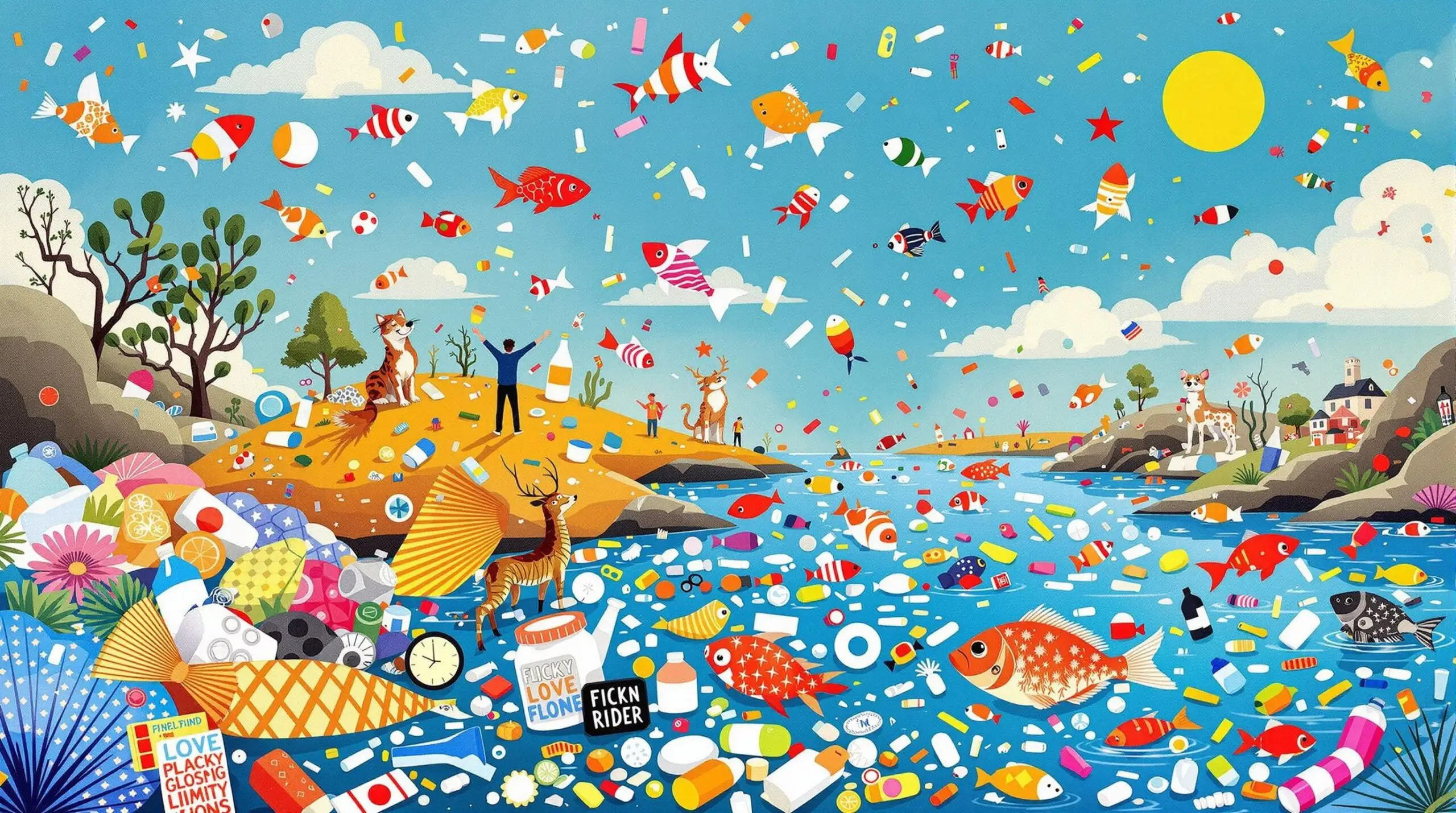
The Impact of Environmental Toxins on Human Health
Cellular Damage and Inflammation
Microplastics don’t just pass through our bodies – they leave their mark. Research published in the Journal of Hazardous Materials demonstrates that these particles can damage cell membranes and trigger inflammatory responses. This chronic inflammation accelerates aging processes and increases the risk of age-related diseases.
Endocrine Disruption
Many plastics contain chemicals that mimic hormones in our bodies. These endocrine disruptors can throw our natural hormone balance into chaos, affecting everything from metabolism to reproductive health. Long-term exposure may contribute to premature aging and increased disease risk.
Oxidative Stress and Free Radical Damage
Environmental toxins generate free radicals in our bodies, leading to oxidative stress. This process damages cellular components, including DNA, proteins, and lipids. Studies show that increased oxidative stress from environmental toxins can accelerate biological aging by up to 10 years.
Strategies for Protection and Mitigation
Reducing Exposure to Microplastics
While complete avoidance is impossible in our plastic-filled world, we can take steps to minimize exposure. Filtering drinking water, avoiding plastic food containers, and choosing natural fiber clothing can significantly reduce our daily plastic intake. Research suggests that these simple changes might reduce personal microplastic exposure by up to 40%.
Dietary Interventions for Toxin Defense
Certain foods and nutrients can help our bodies deal with environmental toxins more effectively. Antioxidant-rich foods, particularly those high in vitamins C and E, support our natural detoxification systems. Green tea, cruciferous vegetables, and foods rich in selenium have shown particular promise in combating oxidative stress from environmental toxins.
Cellular Defense Mechanisms
Our bodies have built-in systems for dealing with toxins, but they need support. Regular exercise increases cellular repair mechanisms, while proper sleep allows these systems to function optimally. Research shows that maintaining these natural defense mechanisms can reduce the impact of environmental toxins by up to 30%.
Practical Steps for Reducing Toxic Exposure
- Use glass or stainless steel containers instead of plastic
- Install a high-quality water filtration system
- Choose organic produce when possible
- Avoid heating food in plastic containers
- Use natural cleaning products
- Vacuum regularly with HEPA filters
- Choose natural fiber clothing and bedding
- Minimize canned food consumption
- Use air purifiers in your home
- Regular deep cleaning to remove accumulated dust
Supporting Your Body’s Natural Defenses
- Consume foods rich in antioxidants
- Stay properly hydrated
- Exercise regularly to promote detoxification
- Get adequate sleep for cellular repair
- Practice stress management techniques
- Include detoxifying herbs in your diet
- Support liver health with appropriate nutrients
- Maintain healthy gut bacteria
- Regular sauna sessions if available
- Consider appropriate supplementation under medical guidance
The Future of Environmental Toxin Research
Emerging Technologies and Solutions
Scientists are developing new methods to combat microplastic pollution. Innovative filtration systems, biodegradable alternatives to conventional plastics, and enhanced detection methods are all under development. These advances could significantly reduce our exposure to harmful environmental toxins in the coming years.
Personal Monitoring and Testing
New technologies for measuring individual toxic burden are becoming available. These tools allow people to understand their exposure levels and take targeted action. Regular monitoring can help track the effectiveness of protection strategies and guide personalized interventions.
Policy and Global Action
International efforts to reduce plastic pollution are gaining momentum. Several countries have banned single-use plastics, and research funding for environmental toxin studies has increased substantially. These policy changes could lead to reduced exposure levels for future generations.
Long-term Health Implications
The accumulation of environmental toxins, particularly microplastics, presents a significant challenge to healthy aging. While we can’t completely avoid exposure in our modern world, understanding the risks and taking protective measures can significantly impact our long-term health.
Research continues to reveal the complex relationships between environmental toxins and aging. By staying informed and implementing practical protective strategies, we can minimize their impact on our health and longevity. The key lies in combining personal action with support for broader environmental initiatives that address these challenges at their source.
As we face this growing environmental challenge, our response must be both individual and collective. Through informed choices, protective measures, and support for systemic change, we can work to reduce the impact of environmental toxins on our health and aging processes. The future of healthy aging depends on our ability to address these environmental challenges effectively.
Reviewed by a Longevity Practitioner
Laura Morgan
Medical Reviewer (CLP, LPI — Longevity Practitioner)
Scientific Reviewer at Longevity Direct. A New York-based expert in female healthspan (40+), Laura ensures all content meets our rigorous standards for scientific accuracy and practical application. She is committed to delivering evidence-based guidance that empowers our members to optimize their biological aging.
Find out which longevity treatments are right for you.
Takes ~3 minutes · No commitment · Physician-led