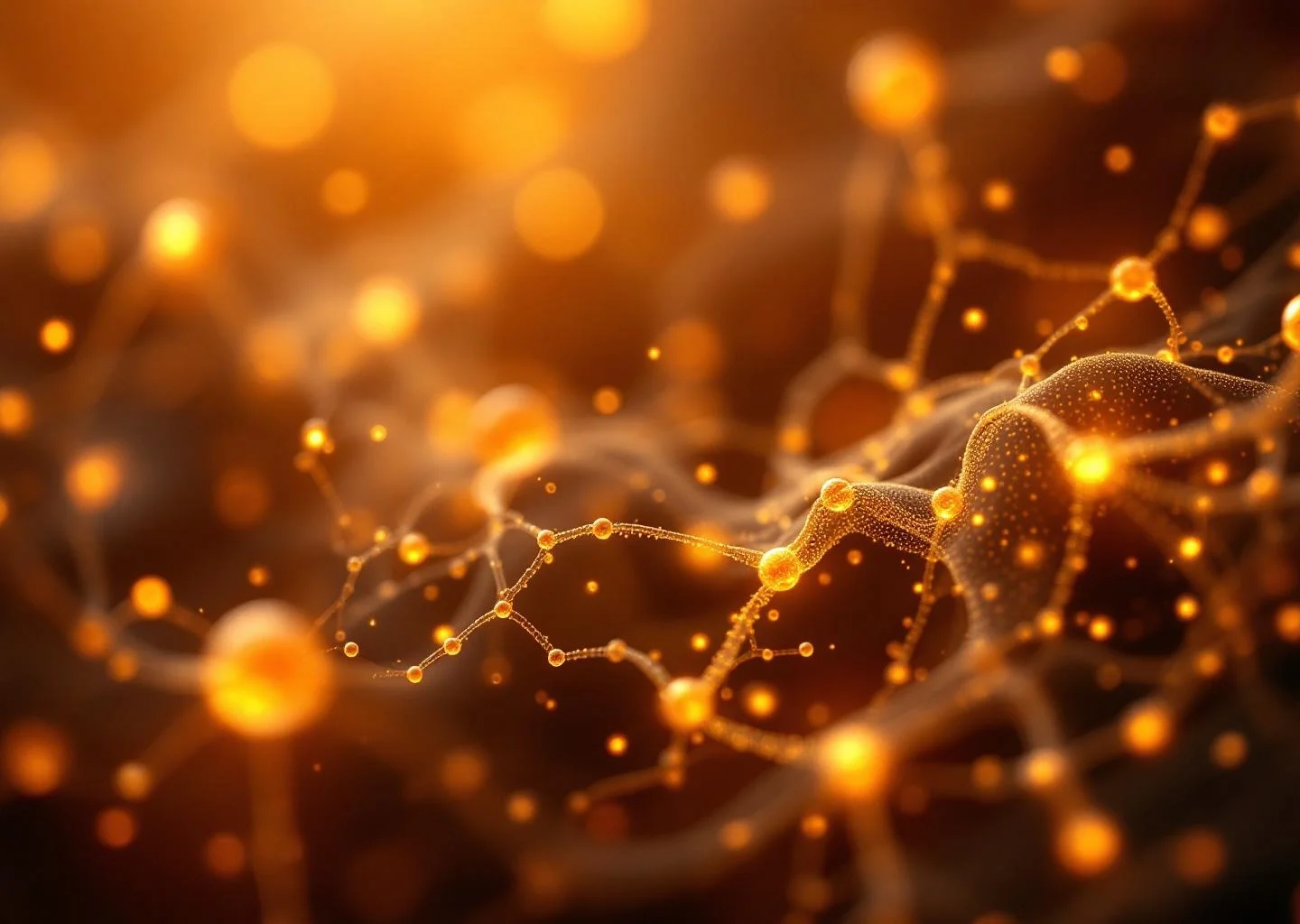
Quercetin: The Flavonoid Fighting Cellular Aging
Quercetin is a plant flavonoid found in onions, apples, and berries that's gaining serious attention in longevity research for its ability to target and clear senescent 'zombie cells' — a key driver of biological aging.
For informational purposes only — not medical advice. Consult a healthcare provider before starting any supplement or protocol. · Reviewed March 2026 · Laura Morgan
Quercetin is a naturally occurring flavonoid found in foods like onions, apples, and capers — and it has attracted serious scientific attention for something far more specific than general antioxidant support. Research shows it can act as a senolytic agent, meaning it selectively targets and eliminates senescent cells, the dysfunctional 'zombie' cells that accumulate with age and fuel chronic inflammation. While you get some quercetin from a healthy diet, the doses needed to influence cellular aging are significantly higher than food alone can provide.
What Are Senescent Cells and Why Do They Matter?
As cells age or become damaged, they can enter a state called senescence. Rather than dying off through normal processes, these cells linger in the body in a kind of suspended dysfunction.
The problem is that senescent cells are not passive. They release a cocktail of inflammatory signals — known as the senescence-associated secretory phenotype, or SASP — that can damage nearby healthy tissue and accelerate aging in surrounding cells. Over decades, this accumulation is linked to conditions including cardiovascular disease, cognitive decline, metabolic disorders, and frailty.
Clearing these cells has become one of the most active areas in longevity research. Senolytics — compounds that selectively push senescent cells into apoptosis (programmed cell death) while leaving healthy cells intact — represent a promising strategy for addressing age-related decline at its biological roots.
How Quercetin Targets Aging at the Cellular Level
Quercetin works as a senolytic by interfering with the survival pathways that allow senescent cells to persist. Normally, these cells resist apoptosis by upregulating pro-survival proteins. Quercetin inhibits several of these pathways — including PI3K/AKT signalling — effectively disabling the mechanisms that keep zombie cells alive.
Beyond its senolytic action, quercetin is a potent antioxidant and anti-inflammatory compound. It reduces oxidative stress, modulates immune responses, and may help lower the inflammatory burden associated with the SASP. This makes it relevant not just for clearing existing senescent cells, but potentially for slowing the rate at which healthy cells become senescent in the first place.
Quercetin's senolytic effects appear most pronounced in certain cell types, including fat tissue cells and endothelial cells lining blood vessels. This tissue specificity is part of why researchers are exploring it in cardiovascular and metabolic contexts.
Quercetin in Clinical Trials
Much of the clinical research on quercetin as a senolytic has been conducted in combination with dasatinib, a cancer drug that targets complementary survival pathways. Together, the two compounds — often abbreviated as D+Q — have shown synergistic effects in preclinical studies, with long-term treatment in mice demonstrating reductions in senescent cell burden and improvements in physical function.
Mayo Clinic researchers are now investigating this combination in human trials. One notable ongoing pilot trial is examining D+Q in patients with mild cognitive impairment related to Alzheimer's disease. The hypothesis is that reducing senescent cell burden in the brain may slow disease progression — a genuinely novel approach to a condition that has resisted most conventional treatments.
“Senolytic drugs, including Dasatinib and Quercetin, alleviate physical dysfunction and extend healthspan in aged mice — effects consistent with clearing senescent cells.”
— Nature Communications, Mayo Clinic Research Team
Quercetin has also shown promise in cardiovascular research. A clinical trial found that a natural senolytic supplement containing quercetin reduced the risk of abnormal heart rhythms following coronary bypass surgery — a finding that points to its potential protective role in cardiac aging. These are early but encouraging signals from human data.
Where to Find Quercetin — and How Bioavailability Works
Quercetin is found in a wide range of plant foods. Capers, red onions, kale, apples, grapes, and green tea are among the richest dietary sources. A typical Western diet provides around 10–100mg of quercetin per day, which is meaningful for general antioxidant support but falls well short of the doses used in senolytic research.
- Capers (raw): one of the highest known dietary sources
- Red and yellow onions: significantly higher quercetin content than white onions
- Apples (with skin): a common everyday source
- Kale and broccoli: reliable leafy green sources
- Green tea: moderate amounts with additional polyphenol benefits
- Grapes and berries: variable content depending on variety
One significant challenge with quercetin supplementation is poor bioavailability. Standard quercetin supplements are not well absorbed by the gut, meaning a large proportion of what you swallow never reaches systemic circulation. This limits the effective dose your cells actually receive.
A formulation called quercetin phytosome addresses this directly. By binding quercetin to phospholipids from sunflower lecithin, the phytosome form dramatically improves absorption through the gut wall. Research published in peer-reviewed literature has found quercetin phytosome achieves plasma concentrations up to 20 times higher than conventional quercetin — a substantial difference when you are aiming for biologically meaningful levels.
Dosage, Safety, and What to Know Before Supplementing
Clinical studies investigating quercetin for senolytic effects have used doses ranging from 500mg to 1250mg per day, often taken in short intermittent courses rather than continuously. Standard general-health dosing, as reviewed by sources including Medical News Today, typically falls in the 500–1000mg daily range.
Quercetin has a well-established safety profile at these doses. Common side effects are mild and may include headaches, tingling sensations, or digestive discomfort. There is no established evidence of serious harm from quercetin supplementation in otherwise healthy adults at standard doses.
That said, there are important considerations before starting high-dose quercetin. Quercetin can interact with certain medications, including blood thinners, antibiotics, and some chemotherapy drugs, by influencing how the liver metabolises them. People with kidney conditions should also exercise caution, as very high doses have been associated with kidney stress in animal studies.
Who Should Be Cautious
- People taking blood-thinning medications such as warfarin
- Those on antibiotics, particularly fluoroquinolones
- Individuals with kidney disease or impaired kidney function
- Anyone undergoing chemotherapy or cancer treatment
- Pregnant or breastfeeding women, due to limited safety data
If you are considering quercetin supplementation for longevity purposes, the most practical starting point is a conversation with your doctor or a clinician familiar with preventive medicine. The science is genuinely promising, but senolytic dosing is meaningfully different from everyday supplementation and warrants an informed approach.
For those who do supplement, opting for quercetin phytosome over standard quercetin is a practical choice given the absorption advantage. Pairing supplementation with a diet already rich in quercetin-containing foods adds further benefit — and comes with no downsides.
Frequently Asked Questions
Quercetin is a naturally occurring flavonoid found in various plant-based foods that acts as a senolytic agent. This means it helps the body selectively eliminate senescent cells, which are dysfunctional cells that accumulate over time and contribute to chronic inflammation and age-related decline.
Senescent cells are damaged or aged cells that stop dividing but do not die off as they should. They are often called zombie cells because they linger in the body and release inflammatory signals that can damage surrounding healthy tissue and accelerate the aging process.
While foods like onions, apples, and capers are excellent sources of quercetin, the doses required to achieve significant senolytic effects are typically much higher than what can be consumed through a normal diet. Dietary intake is beneficial for general antioxidant support, but therapeutic levels for cellular health often require concentrated supplementation.
D+Q refers to a combination of the drug dasatinib and the flavonoid quercetin. Researchers use this combination because the two compounds target complementary survival pathways, creating a synergistic effect that is more effective at clearing senescent cells than using either agent alone.
Quercetin functions by inhibiting specific survival pathways that allow senescent cells to resist programmed cell death. By blocking these mechanisms, it effectively forces these dysfunctional cells to undergo apoptosis, which helps reduce the inflammatory burden on the body.
Early clinical trials suggest that quercetin may play a protective role in cardiovascular health, such as reducing the risk of heart rhythm issues after surgery. Additionally, researchers are currently investigating whether its ability to clear senescent cells can help slow the progression of cognitive decline and Alzheimer's disease.
Research indicates that quercetin's senolytic effects are particularly pronounced in fat tissue cells and the endothelial cells that line blood vessels. This tissue specificity is a primary reason why scientists are focusing on its potential benefits for metabolic health and the cardiovascular system.
Reviewed by a Longevity Practitioner
Laura Morgan
Medical Reviewer (CLP, LPI — Longevity Practitioner)
Scientific Reviewer at Longevity Direct. A New York-based expert in female healthspan (40+), Laura ensures all content meets our rigorous standards for scientific accuracy and practical application. She is committed to delivering evidence-based guidance that empowers our members to optimize their biological aging.
Find out which longevity treatments are right for you.
Takes ~3 minutes · No commitment · Physician-led
Sources & References
- [1](2024). Quercetin Phytosome®: A Promising Strategy to Improve the Bioavailability of Quercetin. PMC.
- [2](2024). A Natural Senolytic Supplement Curbs Heart Aging in New Clinical Trial. NAD.com News.