The Ultimate Guide to Skin Longevity: How Rapamycin, Metformin, and Science Reverse Skin Aging
Your skin tells a story. Long before a blood test reveals metabolic dysfunction or an MRI flags early organ changes, your face, hands, and neck are broadcasting the state of your internal biology to a...


For informational purposes only — not medical advice. Consult a healthcare provider before starting any supplement or protocol. · Reviewed January 2026 · Laura Morgan
Your skin tells a story. Long before a blood test reveals metabolic dysfunction or an MRI flags early organ changes, your face, hands, and neck are broadcasting the state of your internal biology to anyone paying attention. Wrinkles, sagging, uneven tone, and loss of elasticity are not merely cosmetic concerns — they are biological signals, reflecting decades of cellular damage, hormonal shifts, inflammatory burden, and metabolic stress playing out in real time on your largest organ.
“Skin is our most visible biomarker of how we're aging internally.”
— Dr. Christina Weng, Mayo Clinic
This is why skin longevity sits at the intersection of aesthetics and medicine. The same molecular pathways driving cardiovascular disease, neurodegeneration, and metabolic decline — mTOR dysregulation, chronic inflammation, glycation, and cellular senescence — are the identical forces degrading your skin. And crucially, the same evidence-based interventions that target systemic aging are now demonstrating measurable, clinically validated effects on skin biology. This guide covers everything: the science of skin aging, the mechanisms behind emerging longevity therapeutics like rapamycin and metformin, how to measure your skin's biological age, and how to build a comprehensive protocol that addresses skin health from the inside out.
The Science of Skin Aging: Intrinsic vs. Extrinsic Factors

Skin aging is not a single process — it is the cumulative result of two distinct but deeply intertwined forces: intrinsic aging, which is driven by your genetics and the passage of time, and extrinsic aging, which is driven by environmental exposures, lifestyle choices, and metabolic health. Understanding the difference is essential for targeting interventions effectively.
Intrinsic (Chronological) Aging
Intrinsic aging is the baseline biological program — the gradual, inevitable decline in cellular function that occurs regardless of sun exposure or lifestyle. It is driven by telomere shortening, accumulation of DNA damage, declining hormonal signalling (particularly estrogen, growth hormone, and IGF-1), reduced mitochondrial efficiency, and the progressive exhaustion of stem cell populations in the dermis. The result is a skin that becomes thinner, drier, and less resilient over time. Collagen production — the structural backbone of youthful skin — declines at approximately 1 to 1.5% per year in human skin from the mid-twenties onward, according to research published in npj Aging in 2025. By the time someone reaches their fifties, they may have lost 25 to 30% of their skin's original collagen density.
Extrinsic (Environmental) Aging
Extrinsic aging is where the greatest damage occurs, and where the greatest opportunity for intervention lies. UV radiation is by far the dominant driver, with epidemiological data consistently showing that photoaging accounts for 80 to 90% of visible skin aging signs in sun-exposed regions. This is sometimes called dermatoheliosis — a constellation of changes including deep wrinkles, pigmentation irregularities, telangiectasias, and loss of elasticity caused by UV-induced degradation of collagen and elastin. Beyond UV, extrinsic aging is accelerated by cigarette smoke, air pollution, poor nutrition, high glycemic diets, chronic psychological stress, and disrupted sleep — all of which amplify oxidative stress, inflammation, and cellular damage in the skin.
- Intrinsic aging: Telomere shortening, hormonal decline, collagen loss (~1-1.5%/year), stem cell exhaustion, mitochondrial dysfunction
- Extrinsic aging: UV radiation (photoaging), pollution, smoking, glycation from high-sugar diets, sleep deprivation, chronic psychological stress
- Photoaging accounts for 80-90% of visible skin aging in sun-exposed areas
- Both pathways converge on the same downstream mechanisms: inflammation, oxidative stress, and ECM degradation
The Four Horsemen of Skin Aging
Whether driven by intrinsic or extrinsic forces, skin aging ultimately converges on four core biological mechanisms. Addressing these mechanisms — rather than chasing surface-level symptoms — is the foundation of a science-based skin longevity strategy.
1. Collagen Decline
Collagen is the most abundant protein in the dermis, providing structural integrity, tensile strength, and the plump, smooth appearance associated with youthful skin. The problem is not just that collagen production slows with age — it is that the balance between synthesis and degradation shifts dramatically. Matrix metalloproteinases (MMPs), enzymes that break down collagen, become increasingly active with UV exposure, inflammation, and oxidative stress, while fibroblast activity — the cells responsible for producing new collagen — declines. The net result is a progressive thinning of the dermal matrix. Fine lines become wrinkles, and wrinkles deepen into folds.
2. Glycation and Advanced Glycation End-Products (AGEs)
Every time blood glucose spikes, sugar molecules can attach non-enzymatically to proteins and lipids in a process called glycation. Over time, these glycated molecules undergo further chemical reactions to form Advanced Glycation End-products, or AGEs. In the skin, AGEs are particularly destructive because they crosslink with collagen and elastin fibers — the two proteins most responsible for skin elasticity and resilience. According to research published in Antioxidants (2025), the buildup of AGEs leads to the crosslinking of collagen and elastin fibers, reducing skin elasticity and increasing stiffness. The visible result is skin that looks leathery, sallow, and rigid — a pattern especially pronounced in individuals with poorly controlled blood sugar or high-sugar diets. AGEs also generate reactive oxygen species (ROS) and activate inflammatory pathways, compounding their damage.
3. Cellular Senescence and the SASP
Cellular senescence occurs when a cell sustains sufficient DNA damage or replicative stress to permanently exit the cell cycle. Rather than dying cleanly through apoptosis, senescent cells linger in tissue and adopt what researchers call the Senescence-Associated Secretory Phenotype, or SASP. The SASP is a pro-inflammatory mix of cytokines, chemokines, and matrix-degrading enzymes that disrupt tissue homeostasis and propagate senescence — essentially, senescent cells poison their neighbours. In the dermis, this means senescent fibroblasts and endothelial cells continuously secrete collagen-degrading enzymes, amplify local inflammation, and impair the regenerative capacity of surrounding healthy cells. Research published in Communications Biology (2025) demonstrated that endothelial senescence specifically drives intrinsic skin aging via neuroimmune pathways, highlighting how deeply senescence is embedded in the aging skin process.
4. Oxidative Stress
Free radicals — unstable molecules generated by UV radiation, pollution, metabolic processes, and inflammation — attack cellular membranes, DNA, and structural proteins in the skin. When the production of reactive oxygen species outpaces the skin's antioxidant defenses, oxidative stress occurs. This accelerates collagen degradation, triggers inflammatory cascades, induces cellular senescence, and directly damages fibroblast DNA. Oxidative stress is the common thread linking almost every other mechanism of skin aging, which is why antioxidant-rich nutrition and topical antioxidants remain foundational elements of any serious skin longevity protocol.
The Skin-Systemic Health Connection
Skin is not an isolated organ — it is a dynamic interface between your body and the environment, and its condition is profoundly shaped by systemic biology. Three systemic domains are particularly relevant to skin longevity: chronic inflammation, metabolic health, and hormonal status.
Chronic Inflammation and Inflammaging
Low-grade, persistent systemic inflammation — sometimes called inflammaging — is one of the most potent drivers of accelerated aging across all organ systems. In the skin, elevated circulating inflammatory markers like high-sensitivity C-reactive protein (hsCRP), interleukin-6 (IL-6), and tumour necrosis factor-alpha (TNF-α) translate directly into increased MMP activity, collagen degradation, and impaired barrier function. Individuals with elevated hsCRP consistently show accelerated skin aging on objective assessments. This is why biomarker testing for inflammatory status is a meaningful part of any skin longevity evaluation.
Metabolic Health and Insulin Resistance
Insulin resistance and chronically elevated blood glucose are among the most underappreciated drivers of skin aging. Beyond glycation, hyperinsulinemia drives sebaceous gland activity (contributing to acne and pore enlargement), promotes androgen production (which degrades collagen in susceptible individuals), and amplifies systemic inflammation. Metabolic syndrome — the cluster of insulin resistance, dyslipidaemia, hypertension, and central obesity — is visibly written on the skin in ways that trained clinicians can identify. Improving metabolic health through diet, exercise, and targeted pharmacology is one of the highest-leverage interventions available for skin longevity.
Hormonal Decline
Estrogen plays a critical role in maintaining collagen density, skin hydration, and barrier function in women. The precipitous drop in estrogen at menopause is associated with a loss of approximately 30% of dermal collagen in the first five years post-menopause, with skin thickness declining measurably year by year. Growth hormone and IGF-1 decline with age in both sexes, reducing fibroblast activity and impairing the skin's regenerative capacity. Thyroid hormones regulate skin cell turnover and sebum production — hypothyroidism characteristically produces dry, coarse, pale skin. Addressing hormonal deficiencies through appropriate medical management has well-documented benefits for skin quality, underscoring the importance of a comprehensive, physician-supervised approach.
Rapamycin: The Science Behind Its Anti-Aging Effects on Skin
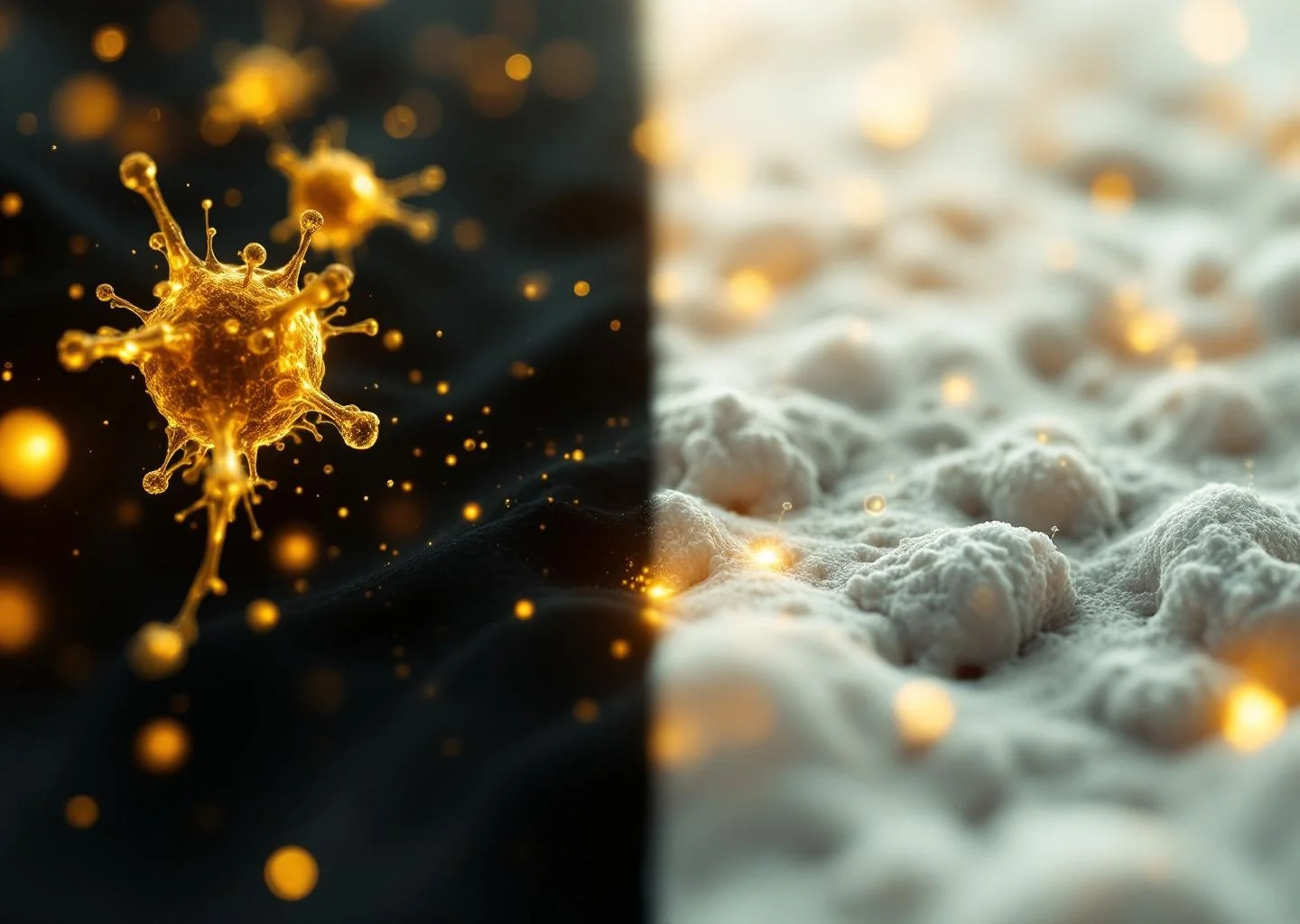
Rapamycin — also known as sirolimus — was originally developed as an immunosuppressant for organ transplant recipients. But over the past two decades, it has emerged as one of the most compelling molecules in the longevity science toolkit, with robust evidence demonstrating lifespan extension in multiple animal models and a growing body of human data. Its effects on skin aging are among the most tangible and measurable of any longevity therapeutic currently available.
mTOR Inhibition: The Core Mechanism
Rapamycin works by inhibiting mTOR — the mechanistic Target of Rapamycin — a master regulator of cellular growth, metabolism, and aging. mTOR integrates signals from nutrients, growth factors, and cellular stress to determine whether a cell should grow and divide, or conserve resources and repair itself. In aging tissues, mTOR tends to be chronically overactivated, promoting cellular growth at the expense of maintenance and repair. By inhibiting mTOR, rapamycin essentially shifts cells into a more conserved, repair-oriented state. This has several downstream effects highly relevant to skin biology.
Autophagy Activation
One of the most important consequences of mTOR inhibition is the upregulation of autophagy — the cellular housekeeping process by which damaged organelles, misfolded proteins, and cellular debris are cleared and recycled. Autophagy declines significantly with age, contributing to the accumulation of damaged cellular components that impair function. In skin cells, enhanced autophagy improves fibroblast health, reduces oxidative damage, and supports the clearance of AGEs and other toxic protein aggregates. Rapamycin essentially reactivates a cellular maintenance program that age has allowed to fall into disrepair.
Senolytic Effects in Skin Tissue
Rapamycin also demonstrates senolytic and senomorphic properties in skin tissue — meaning it can both reduce the accumulation of senescent cells and suppress the inflammatory SASP they produce. By lowering the burden of senescent fibroblasts in the dermis, rapamycin reduces the ongoing collagen degradation and inflammatory signalling that senescent cells perpetuate. This is a fundamentally different mechanism from most topical skincare ingredients, which work at the surface level rather than addressing the underlying cellular biology.
The Drexel University Clinical Trial
The most compelling human evidence for topical rapamycin's skin benefits comes from a landmark exploratory trial conducted at Drexel University, published in GeroScience. In this prospective, randomized trial, 13 participants over the age of 40 applied rapamycin cream every one to two days to one hand, and a placebo cream to the other hand, for eight months. The results were striking: researchers found measurable increases in collagen protein levels and significantly lower levels of p16 protein — a key molecular marker of cellular senescence — in the rapamycin-treated skin compared to the placebo-treated skin. Participants and blinded assessors also noted visible improvements including reduced wrinkles, decreased sagging, and improved overall skin quality. This was not a cosmetic effect — it was a measurable shift in the biological age of the skin tissue itself.
“Topical rapamycin application over eight months increased collagen levels and decreased p16 protein levels — a key marker of cell senescence — in human skin.”
— Drexel University GeroScience Trial, peer-reviewed
The significance of the p16 finding deserves emphasis. p16 (also known as p16INK4a) is encoded by the CDKN2A gene and is one of the most reliable molecular biomarkers of cellular senescence. Its reduction in rapamycin-treated skin indicates that the drug was not merely improving surface appearance — it was genuinely reducing the senescent cell burden in the dermis. This aligns with the broader longevity science literature on rapamycin's ability to extend healthspan by clearing senescent cells across multiple tissue types.
Metformin: Metabolic Optimization for Skin Health
Metformin is one of the most widely prescribed medications in the world, used for decades to manage type 2 diabetes. But its mechanisms of action extend far beyond glucose regulation, and its potential as a longevity therapeutic — including for skin health — has attracted serious scientific attention. The TAME (Targeting Aging with Metformin) trial, the first FDA-approved clinical trial specifically designed to test a drug against biological aging, is built around metformin. Here is why it matters for skin.
AMPK Activation: The Energy Sensor Pathway
Metformin's primary mechanism is the activation of AMPK — AMP-activated protein kinase — a cellular energy sensor that is essentially the metabolic counterpart to mTOR. When AMPK is activated, it signals that cellular energy is low and triggers a shift toward energy conservation, repair, and metabolic efficiency. Like rapamycin, AMPK activation inhibits mTOR, promotes autophagy, reduces inflammation, and improves mitochondrial function. In skin cells, AMPK activation supports fibroblast health, improves cellular turnover, and reduces the inflammatory burden that drives collagen degradation. Metformin's ability to activate AMPK and improve cellular turnover represents a meaningful mechanism for skin longevity.
Anti-Glycation Properties
Perhaps metformin's most underappreciated benefit for skin is its anti-glycation activity. By improving insulin sensitivity and lowering blood glucose levels, metformin directly reduces the substrate available for AGE formation. But beyond glucose control, metformin has been shown to have direct anti-glycation properties — it can inhibit the glycation reaction itself, independent of its glucose-lowering effects. This protects collagen and elastin from the crosslinking damage that makes skin stiff, sallow, and wrinkled. For individuals with metabolic dysfunction, or those who consume high-glycemic diets, this mechanism represents a meaningful protective effect on skin architecture.
Wound Healing and Skin Inflammation
Metformin has demonstrated benefits for wound healing that extend beyond its original diabetic patient population. By reducing systemic inflammation, improving microvascular function, and supporting keratinocyte and fibroblast activity, metformin accelerates the skin's repair processes. Chronic low-grade skin inflammation — manifesting as persistent redness, sensitivity, and impaired barrier function — is a feature of both metabolic dysfunction and biological aging. Metformin's anti-inflammatory effects, mediated through AMPK and NF-κB pathway suppression, can meaningfully reduce this inflammatory burden, improving skin tone and resilience over time.
Rapamycin vs. Metformin for Skin Longevity: A Comparative Overview

Both rapamycin and metformin target aging through overlapping but distinct mechanisms. Understanding their differences helps clarify how each might fit into a comprehensive skin longevity strategy — and why, for many individuals, a physician-supervised combination approach may offer complementary benefits.
- Rapamycin — Primary mechanism: mTOR inhibition. Key skin benefits: Autophagy activation, senescent cell clearance, collagen preservation, p16 reduction. Administration: Topical cream (skin-specific) or low-dose oral (systemic). Clinical evidence: Drexel University RCT (GeroScience, 2019). Best for: Targeting cellular senescence and directly improving skin tissue biology.
- Metformin — Primary mechanism: AMPK activation. Key skin benefits: Anti-glycation, reduced inflammation, improved wound healing, collagen protection. Administration: Oral (systemic effects on skin). Clinical evidence: Extensive metabolic and anti-aging literature; TAME trial ongoing. Best for: Metabolic optimization, AGE prevention, systemic inflammaging reduction.
- Combined approach — Complementary mechanisms: mTOR inhibition + AMPK activation address aging from multiple angles simultaneously. Physician supervision required to monitor for interactions and optimize dosing.
It is worth noting that rapamycin and metformin have partially overlapping effects — both ultimately reduce mTOR activity and promote autophagy — but they arrive at these outcomes through different upstream pathways. Rapamycin directly blocks mTOR complex 1. Metformin activates AMPK, which then inhibits mTOR indirectly. This means they can be genuinely complementary rather than redundant, particularly when rapamycin is used topically for direct skin effects while metformin provides systemic metabolic and anti-inflammatory benefits.
Biomarkers and Clinical Assessments: How to Measure Your Skin Age
One of the distinguishing features of a longevity medicine approach to skin health is the emphasis on objective measurement rather than subjective impression. Several validated biomarkers and clinical tools allow practitioners and individuals to quantify skin aging and track the impact of interventions over time.
Skin Elasticity and Firmness
Cutometer measurements — using a suction device applied to the skin — provide quantitative data on skin elasticity, firmness, and viscoelasticity. These measurements correlate strongly with dermal collagen density and are used in clinical research (including the Drexel rapamycin trial) to objectively assess treatment effects. High-resolution imaging systems can also quantify wrinkle depth, pore size, and surface texture with precision that goes far beyond what a visual assessment can capture.
hsCRP: Inflammatory Burden
High-sensitivity C-reactive protein (hsCRP) is the most accessible and clinically validated marker of systemic low-grade inflammation. Because inflammaging drives collagen degradation, impairs barrier function, and accelerates senescence in the dermis, hsCRP provides meaningful insight into the inflammatory pressure acting on skin tissue. Target levels for longevity-oriented individuals are typically below 1.0 mg/L, with levels above 3.0 mg/L indicating significant inflammatory burden that will be reflected in accelerated skin aging.
Glycation Markers
HbA1c (glycated haemoglobin) provides a three-month average of blood glucose levels and is the standard clinical marker for glycation burden. Fasting insulin and HOMA-IR (a calculated measure of insulin resistance) provide additional insight into metabolic health relevant to AGE formation. Skin autofluorescence — a non-invasive optical measurement of AGE accumulation in the dermis — is an emerging clinical tool that directly quantifies the glycation burden in skin tissue itself, offering a more precise picture than blood glucose markers alone.
Collagen Turnover Markers
Serum markers of collagen synthesis (such as procollagen type I N-terminal propeptide, or P1NP) and degradation (such as C-terminal telopeptide of type I collagen, or CTX) can provide a systemic picture of collagen metabolism. While these markers are more commonly used in bone health assessment, they reflect broader collagen turnover dynamics that are relevant to skin health, particularly in the context of interventions like rapamycin that aim to shift the synthesis-degradation balance in favour of preservation.
Epigenetic Aging Clocks
DNA methylation-based biological age clocks — such as the Horvath clock, GrimAge, and DunedinPACE — provide a molecular estimate of biological age that reflects cumulative cellular aging across tissues. While these tests measure systemic biological age rather than skin-specific age, they are highly relevant because skin aging closely tracks whole-body biological aging. Individuals with accelerated epigenetic age consistently show more advanced skin aging on objective assessments, and interventions that reduce epigenetic age — including rapamycin protocols — are likely to produce corresponding improvements in skin biology.
Synergistic Lifestyle Interventions for Skin Longevity
Pharmacological interventions like rapamycin and metformin operate within a broader biological context shaped by daily lifestyle choices. The evidence for several lifestyle interventions is robust enough that they should be considered foundational — not optional additions — to any serious skin longevity protocol.
Deep Sleep and Skin Repair
Photobiomodulation — the use of red and near-infrared light to stimulate mitochondrial function — is an emerging adjunct to pharmacological skin longevity protocols. Red light therapy at wavelengths of 630–850nm has shown promise for stimulating collagen synthesis, reducing inflammation, and improving skin texture in clinical studies, though the evidence base is still developing.
Sleep is when the skin does its most important repair work. During deep slow-wave sleep, growth hormone secretion peaks — driving collagen synthesis, cellular regeneration, and barrier repair. Transepidermal water loss decreases during sleep, allowing the skin barrier to recover from daytime stress. Melatonin, produced during darkness, acts as a potent antioxidant in skin tissue, neutralising free radicals generated by UV and pollution exposure during the day. Chronic sleep deprivation measurably accelerates skin aging: it increases cortisol (which degrades collagen), elevates inflammatory markers, impairs barrier function, and reduces the skin's ability to recover from UV damage. Tracking sleep quality — particularly deep sleep duration — with a wearable device provides actionable data for optimising this critical repair window.
Sun Protection
Given that photoaging accounts for 80 to 90% of visible skin aging in sun-exposed areas, broad-spectrum sun protection is the single highest-impact topical intervention available. Mineral sunscreens containing zinc oxide or titanium dioxide, applied daily to all exposed skin regardless of weather or season, provide protection against both UVA (which drives photoaging and DNA damage) and UVB (which causes sunburn and direct DNA strand breaks). This is not a cosmetic recommendation — it is a primary prevention strategy for skin longevity with stronger evidence than almost any other single intervention.
Retinoids: The Gold Standard Topical
Topical retinoids — vitamin A derivatives including tretinoin (prescription-strength retinoic acid) and retinol (over-the-counter) — have the strongest evidence base of any topical skincare ingredient for reducing wrinkles, improving collagen density, normalising skin cell turnover, and reversing aspects of photoaging. Tretinoin works by binding to retinoic acid receptors in the nucleus of skin cells, directly upregulating genes involved in collagen synthesis and downregulating MMP activity. When used consistently over months to years, prescription tretinoin produces measurable increases in dermal collagen density visible on histological analysis. It is among the few topical ingredients with genuine structural effects on the dermis rather than merely surface-level improvements.
Antioxidant Nutrition
Diet shapes skin biology in profound ways. A Mediterranean-pattern diet — rich in olive oil, fatty fish, colourful vegetables, legumes, and nuts — provides a broad spectrum of antioxidants (polyphenols, carotenoids, vitamin C, vitamin E) that counteract oxidative stress in skin tissue. Vitamin C is essential for collagen synthesis — it is a required cofactor for the enzymes that stabilise collagen's triple-helix structure — and dietary deficiency directly impairs collagen production. Omega-3 fatty acids from oily fish reduce skin inflammation and support barrier function. Conversely, high-glycemic diets, excessive alcohol, and ultra-processed foods accelerate glycation, inflammation, and oxidative stress in the skin. Diet is not a peripheral concern in skin longevity — it is a primary determinant.
Exercise and Skin Biology
Regular aerobic and resistance exercise improves skin biology through multiple pathways: it reduces systemic inflammation, improves insulin sensitivity (reducing glycation), enhances mitochondrial function in skin cells, and promotes the release of growth factors that support fibroblast activity. A landmark study from McMaster University demonstrated that regular exercisers over 65 had skin that resembled that of 20 to 40-year-olds on histological analysis — with thicker dermis and healthier stratum corneum — compared to sedentary age-matched controls. Exercise is systemic anti-aging medicine, and its effects are legible in the skin.
The Longevity Direct Protocol for Skin Health
A comprehensive skin longevity protocol integrates pharmacological, diagnostic, and lifestyle components under physician supervision. The Longevity Direct approach brings these elements together in a structured, evidence-based programme designed to address skin aging at its biological roots — not just its surface manifestations.
Step 1: Physician-Led Assessment and Prescribing
The starting point is a comprehensive clinical assessment conducted by a physician with expertise in longevity medicine. This includes a detailed medical history, review of current medications and supplements, assessment of skin aging (both visual and using objective tools where available), and a discussion of individual goals and risk tolerance. Based on this assessment, a physician can determine whether rapamycin (topical, oral, or both), metformin, or other evidence-based interventions are appropriate, and at what doses and schedules. This is not a one-size-fits-all process — dosing, timing, and combination strategies require individualisation and ongoing medical oversight.
Step 2: Baseline Biomarker Testing
Before starting any intervention, establishing a comprehensive baseline is essential for tracking progress and identifying areas of greatest need. A skin longevity biomarker panel should include: hsCRP for inflammatory burden, HbA1c and fasting insulin for glycation and metabolic health, a full lipid panel, liver and kidney function tests (particularly relevant for metformin), thyroid function, sex hormone levels (estradiol, testosterone, DHEA-S), and vitamin D. Where available, epigenetic age testing provides a powerful baseline for tracking biological age over time. Repeat testing at six to twelve month intervals allows objective assessment of treatment response.
Step 3: Sleep Optimisation and Tracking with blēo
Given the critical role of deep sleep in skin repair and collagen synthesis, sleep quality is treated as a clinical variable rather than a lifestyle afterthought. The blēo wearable device provides continuous, detailed tracking of sleep stages — including deep slow-wave sleep and REM sleep — giving both the individual and their physician objective data on nightly recovery quality. This data can reveal patterns (such as consistently insufficient deep sleep, or fragmented sleep architecture) that would otherwise go undetected and unaddressed. Interventions to improve sleep — ranging from sleep hygiene optimisation to chronobiology-based scheduling — can then be implemented and their effects tracked objectively over time.
Step 4: AI-Powered Personalisation with the Longevity AI App
The Longevity Direct AI app integrates data from biomarker testing, wearable tracking, and clinical assessments to generate personalised insights and recommendations. Rather than applying generic protocols, the AI analyses individual patterns — correlating sleep quality with inflammatory markers, metabolic data with skin assessment scores, and lifestyle variables with biomarker trends — to identify the highest-leverage interventions for each person. This creates a continuously evolving, data-driven picture of biological age and treatment response that goes far beyond what any single test or assessment can provide.
Step 5: Ongoing Monitoring and Protocol Refinement
Skin longevity is not a single intervention — it is an ongoing biological optimisation programme. Regular follow-up with a physician allows for dose adjustments, addition of new interventions as evidence evolves, monitoring for side effects, and celebration of measurable progress. The goal is not to look younger in photographs — it is to have genuinely younger skin tissue, with better collagen density, lower senescent cell burden, reduced glycation, and a more resilient, functional barrier. These are biological outcomes that can be measured, tracked, and progressively improved over time.
How to Get Started: Practical Next Steps
If you are ready to move beyond surface-level skincare and address skin aging at its biological roots, here is a practical roadmap for getting started with a science-based skin longevity approach.
- Book a physician consultation: Start with a longevity medicine physician who can assess your individual biology, review your health history, and determine whether rapamycin, metformin, or other interventions are appropriate for you.
- Get baseline biomarkers: Request a comprehensive panel including hsCRP, HbA1c, fasting insulin, full lipid panel, thyroid function, sex hormones, vitamin D, and kidney and liver function. Consider epigenetic age testing for a molecular baseline.
- Implement the non-negotiables: Daily broad-spectrum SPF, consistent tretinoin use (prescription required), Mediterranean-pattern diet, regular aerobic and resistance exercise, and sleep optimisation. These are foundational — pharmacological interventions build on them, not replace them.
- Start sleep tracking: Use a validated wearable like blēo to establish your sleep baseline, with particular attention to deep sleep duration and sleep efficiency.
- Consider topical rapamycin: If clinically appropriate, topical rapamycin cream applied to aging skin areas (hands, face, neck) offers a low-systemic-risk entry point into rapamycin's skin benefits, supported by clinical trial evidence.
- Track and iterate: Repeat biomarker testing at six to twelve month intervals. Use objective data — not just mirror assessments — to evaluate progress and refine your protocol with your physician.
- Stay current: Longevity science is advancing rapidly. The TAME metformin trial, ongoing rapamycin human studies, and emerging senolytic research will continue to refine best practices. A physician-led approach ensures you benefit from evidence as it evolves.
Conclusion: Skin Longevity Is Systemic Longevity
The science is unambiguous: skin aging is not a cosmetic problem with cosmetic solutions. It is a biological process driven by the same molecular pathways — mTOR dysregulation, chronic inflammation, glycation, cellular senescence, and oxidative stress — that drive aging across every organ system. The most effective interventions for skin longevity are therefore systemic in nature: they address the underlying biology rather than masking its surface manifestations.
Rapamycin's ability to reduce senescent cell burden and increase collagen in human skin — demonstrated in peer-reviewed clinical research — represents a genuine advance in evidence-based dermatology. Metformin's anti-glycation and AMPK-activating properties offer complementary metabolic protection for skin architecture. Together with the foundational interventions of sun protection, retinoids, sleep optimisation, antioxidant nutrition, and regular exercise, these tools make it possible to meaningfully slow — and in some cases partially reverse — the biological aging of skin tissue.
The key is physician supervision, objective measurement, and a long-term commitment to biological optimisation rather than quick fixes. Your skin is telling a story about your internal biology. With the right tools and the right guidance, it is possible to change the story.
Frequently Asked Questions
Intrinsic aging refers to the natural, genetically programmed decline in skin function over time, such as collagen loss and hormonal changes. Extrinsic aging is caused by external factors like UV exposure, pollution, and lifestyle choices, which account for the majority of visible signs of aging.
UV radiation is the primary driver of photoaging, responsible for up to 90 percent of visible skin damage in sun-exposed areas. It accelerates the breakdown of collagen and elastin fibers, leading to deep wrinkles, pigmentation issues, and a loss of skin elasticity.
Yes, your skin acts as a mirror for your internal biological state. Factors like high-glycemic diets cause glycation, which damages skin proteins, while chronic inflammation and metabolic stress contribute to the same cellular degradation processes that drive systemic diseases.
Collagen provides the structural foundation for firm, youthful skin. Starting in your mid-twenties, collagen production typically declines by about one to one and a half percent each year, eventually leading to thinner, less resilient skin by your fifties.
Emerging research suggests that therapeutics like rapamycin and metformin, which target systemic aging pathways like mTOR dysregulation, may have measurable benefits for skin health. These interventions aim to address the root biological causes of aging rather than just treating surface-level symptoms.
A effective skin longevity protocol focuses on addressing the four core mechanisms of aging: inflammation, oxidative stress, cellular senescence, and extracellular matrix degradation. This involves combining protective lifestyle habits, like sun protection and sleep hygiene, with evidence-based interventions that support cellular repair.
Reviewed by a Longevity Practitioner
Laura Morgan
Medical Reviewer (CLP, LPI — Longevity Practitioner)
Scientific Reviewer at Longevity Direct. A New York-based expert in female healthspan (40+), Laura ensures all content meets our rigorous standards for scientific accuracy and practical application. She is committed to delivering evidence-based guidance that empowers our members to optimize their biological aging.
Find out which longevity treatments are right for you.
Takes ~3 minutes · No commitment · Physician-led