Social Media & Aging: Connectivity vs. Isolation
Exploring the dual impact of social media on the elderly, from fostering connection to potential isolation.

For informational purposes only — not medical advice. Consult a healthcare provider before starting any supplement or protocol. · Reviewed October 2025 · Laura Morgan
Understanding Social Media’s Impact on Aging and Longevity
The Digital Age and Its Effects on Aging
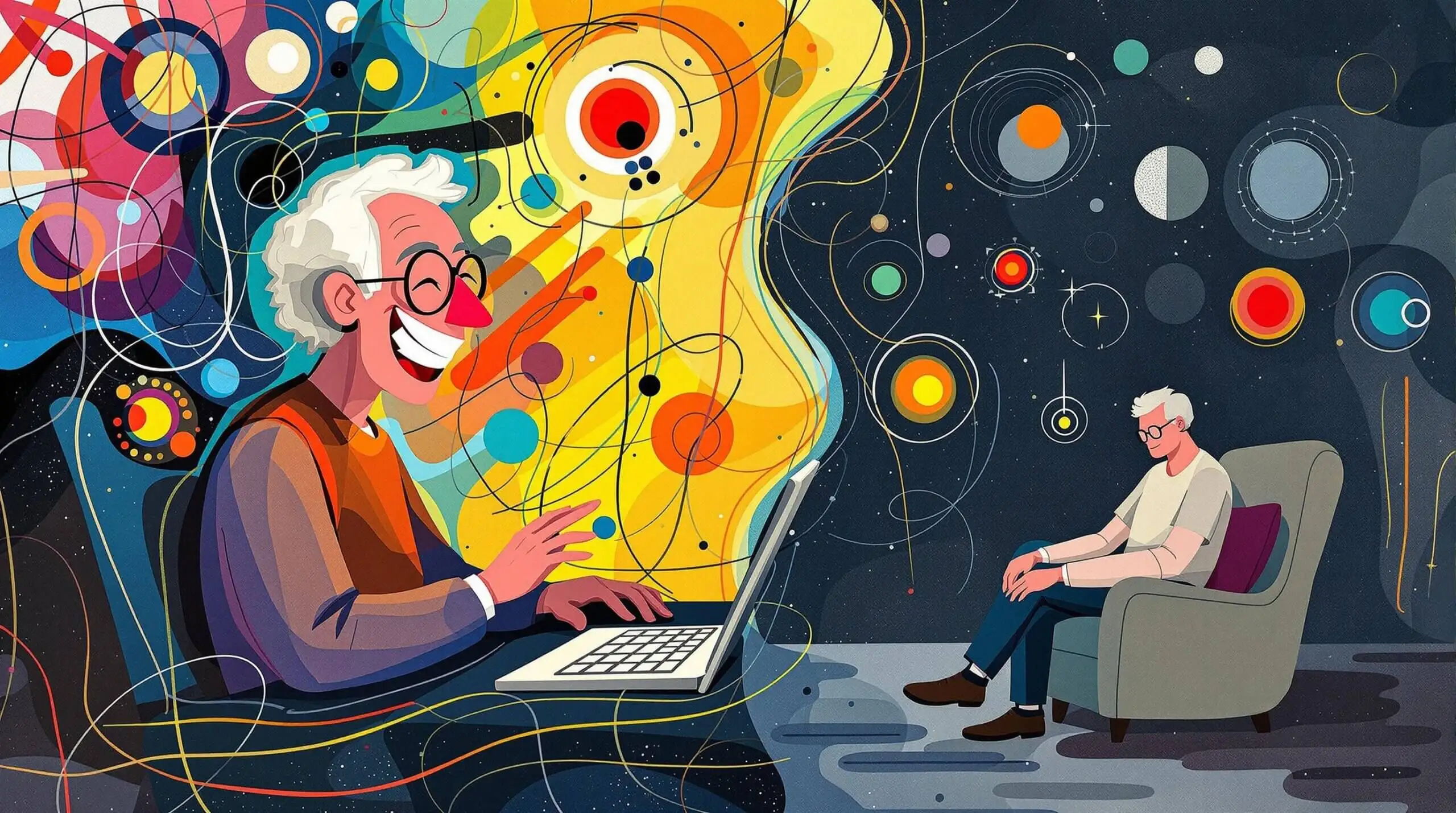
Social media has fundamentally changed how we age and connect with others. For older adults, platforms like Facebook, Instagram, and Twitter offer unprecedented opportunities to maintain relationships and build new ones. However, these digital connections come with both benefits and potential drawbacks for our long-term health and longevity.
The Science of Social Connection and Aging
Research shows that meaningful social connections significantly influence our lifespan. Studies from Harvard Medical School indicate that strong social ties can increase life expectancy by up to 50%. Social media presents a unique paradox in this equation – while it enables constant connection, the quality of these interactions varies dramatically.
Historical Context and Evolution
Before social media, older adults relied on face-to-face interactions, phone calls, and letters to maintain relationships. The digital revolution of the past two decades has created virtual communities that transcend physical limitations. This shift has particularly impacted older adults who may have mobility issues or live far from family members.
Challenges and Common Misconceptions
Many assume that social media inherently isolates people, especially older adults. However, research paints a more nuanced picture. While excessive screen time can indeed lead to isolation, moderate and purposeful social media use often enhances social connections and mental stimulation – both crucial factors for healthy aging.
Statistics and Research Findings
The numbers are revealing: 40% of adults over 65 now use social media regularly, up from just 13% in 2012. Studies show that older adults who use social media report 30% lower rates of depression and loneliness compared to non-users. However, those spending more than 3 hours daily on these platforms show increased anxiety levels.
The Current Landscape of Social Media and Aging
Modern Social Media Platforms and Older Adults
Different platforms serve different purposes for aging adults. Facebook remains the most popular, with its emphasis on family connections and photo sharing. Instagram appeals to more active seniors interested in hobbies and lifestyle content. LinkedIn helps those still professionally active maintain business networks.
Digital Literacy and Aging
A crucial factor in positive social media use is digital literacy. Older adults who receive proper training in using these platforms report greater satisfaction and fewer negative experiences. Community programs teaching digital skills to seniors have shown remarkable success in improving both online and offline social engagement.
The Mechanisms of Social Media’s Impact on Aging
Cognitive Benefits and Risks
Social media engagement can stimulate cognitive function through regular social interaction, problem-solving, and learning new skills. Research indicates that active social media users show better memory retention and processing speed. However, information overload and digital fatigue can negatively impact cognitive health.
Physical Health Connections
The relationship between social media use and physical health is complex. While platforms can motivate healthy behaviors through fitness groups and wellness communities, excessive screen time often leads to sedentary behavior. Finding the right balance is essential for maximizing health benefits.
Mental Health and Emotional Well-being
Social media’s impact on mental health varies significantly. Regular connection with family and friends can reduce depression and anxiety. However, comparison with others and exposure to negative content can harm emotional well-being. Understanding these dynamics is crucial for healthy social media use.
Practical Guidelines for Healthy Social Media Use in Aging
- Limit daily social media use to 1-2 hours
- Focus on meaningful connections rather than passive scrolling
- Join groups aligned with personal interests and hobbies
- Use privacy settings to maintain online safety
- Balance online and offline social interactions
- Engage in active communication rather than just observing
- Take regular breaks from screen time
- Verify information before sharing or believing it
- Connect with family members across generations
- Use social media to organize real-world meetups
Future Trends and Implications
Virtual reality and augmented reality technologies are emerging as powerful tools for social connection in aging populations. These technologies might offer more immersive ways to maintain relationships and engage in social activities, particularly for those with limited mobility.
Benefits of Social Media for Aging Adults
- Maintains family connections across distances
- Provides access to health information and support groups
- Creates opportunities for lifelong learning
- Facilitates intergenerational communication
- Offers platforms for sharing life experiences
- Enables participation in online communities
- Provides mental stimulation and engagement
- Helps combat social isolation
Potential Risks and Mitigation Strategies
- Online scams and fraud targeting seniors
- Privacy concerns and data security
- Digital addiction and excessive screen time
- Exposure to misinformation
- Social comparison and negative self-image
Creating a Balanced Approach to Social Media Use
Setting Healthy Boundaries
Establishing clear guidelines for social media use helps maximize benefits while minimizing risks. This includes setting specific times for checking platforms, choosing quality connections over quantity, and maintaining regular offline social activities.
Building Digital Literacy
Education in digital skills remains crucial for older adults. This includes understanding privacy settings, recognizing scams, and learning to use platforms effectively. Many local libraries and community centers offer free training programs specifically designed for seniors.
Maintaining Real-World Connections
Social media works best as a supplement to, not a replacement for, in-person relationships. Using platforms to organize face-to-face meetings, joining local groups, and participating in community activities creates a healthy balance between online and offline social engagement.
Recommendations for Optimal Social Media Use in Aging
- Schedule regular video calls with family members
- Join online groups focused on hobbies and interests
- Use social media to coordinate local meetups
- Share photos and updates with far-away family
- Follow reliable health and wellness sources
- Participate in online learning communities
- Connect with age peers facing similar experiences
- Use platforms to maintain professional networks
Social media’s role in aging represents a significant opportunity for enhanced social connection and cognitive stimulation. The key lies in mindful use – leveraging these platforms to enhance, rather than replace, traditional social interactions. By following established guidelines and maintaining awareness of both benefits and risks, older adults can use social media to support healthy aging and longevity while avoiding potential pitfalls. The future promises even more innovative ways to connect, making digital literacy and balanced use increasingly important for healthy aging in our connected world.
Reviewed by a Longevity Practitioner
Laura Morgan
Medical Reviewer (CLP, LPI — Longevity Practitioner)
Scientific Reviewer at Longevity Direct. A New York-based expert in female healthspan (40+), Laura ensures all content meets our rigorous standards for scientific accuracy and practical application. She is committed to delivering evidence-based guidance that empowers our members to optimize their biological aging.
Find out which longevity treatments are right for you.
Takes ~3 minutes · No commitment · Physician-led
Sources & References
- [1]Plateau Busters: Overcoming Fitness Stalls for Health.
- [2]Digital Literacy for Seniors: Empowering the Elderly Through Technology.
- [3](2023). How Social Connection Supports Longevity.
- [4](2021). Social Media Use and Mental Health among Older Adults in China: The Mediating Role of Social Capital. International Journal of Environmental Research and Public Health.
- [5]The CoQ10 Connection: Energy and Aging Unveiled.
- [6]Like It or Not: Social Media’s Affecting Your Mental Health.
- [7]Cognitive Reserve: Building Brain Buffers Against Aging.