The Power of Community in Blue Zones
Exploring how strong community bonds contribute to longevity in Blue Zones.

For informational purposes only — not medical advice. Consult a healthcare provider before starting any supplement or protocol. · Reviewed March 2025 · Laura Morgan
Understanding Blue Zone Communities: The Secret to Living Longer
What are Blue Zones?
In certain pockets of the world, people routinely live past 100 in remarkable health. These areas, dubbed ‘Blue Zones’ by researcher Dan Buettner, share fascinating commonalities – particularly in how their communities function. From Okinawa, Japan to Sardinia, Italy, these longevity hotspots prove that living longer isn’t just about diet or exercise – it’s about the power of human connection.
The Science Behind Social Connections and Longevity
Research shows that strong social ties directly affect our lifespan. Studies from Harvard Medical School reveal that lacking strong relationships is as damaging to health as smoking 15 cigarettes daily. The effect is biological – social isolation increases stress hormones, inflammation, and blood pressure, while strong community bonds boost immune function and reduce cardiovascular risks.
Origins of Blue Zone Research
The Blue Zones project began in 2004 when National Geographic partnered with longevity experts to identify global longevity hotspots. They discovered five regions: Okinawa (Japan), Sardinia (Italy), Nicoya (Costa Rica), Ikaria (Greece), and Loma Linda (California). Despite their geographical differences, these communities shared remarkable similarities in their social structures.
Key Community Characteristics in Blue Zones
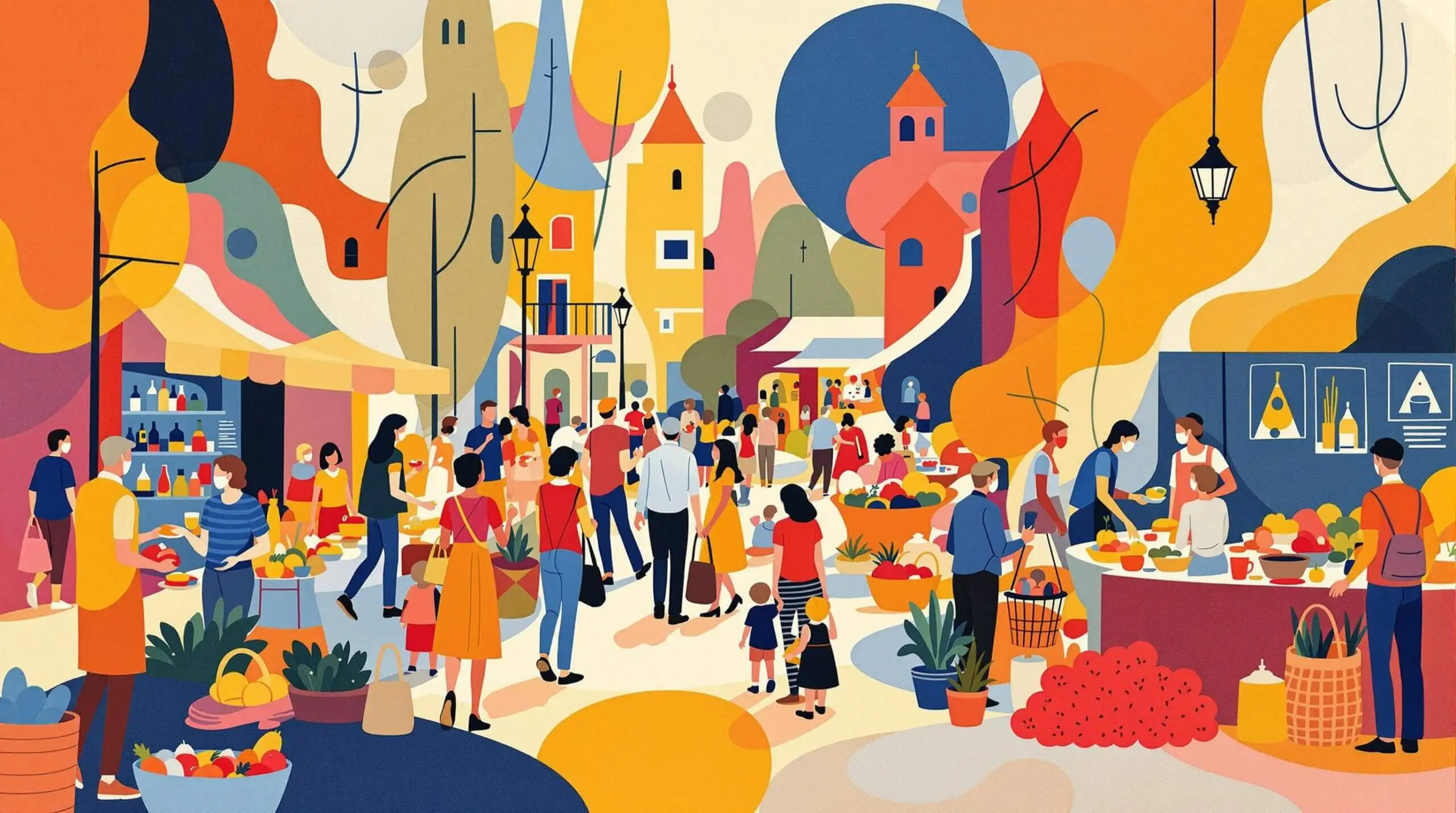
Blue Zone communities prioritize social connection above individual achievement. Family units remain close-knit, with multiple generations often living together. Elderly members stay integrated in daily life, maintaining purpose and social relevance. These societies naturally create what researchers call “social convoys” – groups of friends who move through life together.
The Social Architecture of Blue Zones
Family First: The Foundation of Blue Zone Communities
In Blue Zones, family bonds form the core of social life. Children often live close to parents throughout adulthood. Grandparents play active roles in childcare and household management. This arrangement provides practical support and emotional sustenance for all generations. Studies show that grandparents who help care for grandchildren have a 37% lower mortality risk than those who don’t.
Friendship Networks and “Moais”
Okinawans practice a unique social support system called “moai” – groups of friends committed to each other for life. These groups provide emotional, financial, and social support. Members meet regularly, share life’s challenges, and celebrate successes together. Similar friendship structures exist across all Blue Zones, though under different names.
Community Engagement and Purpose
Blue Zone residents maintain active roles in their communities well into old age. Whether through volunteering, teaching skills to younger generations, or participating in local governance, elderly members contribute meaningfully to society. This continued engagement provides a sense of purpose – what Okinawans call “ikigai” – crucial for mental health and longevity.
The Health Benefits of Community Connection
Mental Health Impact
Strong community ties significantly reduce depression and anxiety. Research shows that people in close-knit communities have 50% lower rates of mental health issues compared to those in isolated living situations. The constant social interaction provides natural emotional support and stress relief.
Physical Health Benefits
Community connection affects physical health in measurable ways. Regular social interaction reduces inflammatory markers in the blood, lowers blood pressure, and strengthens immune function. Studies show that people with strong social networks have a 50% higher chance of survival compared to those with weaker ties.
Lifestyle Influence
Communities naturally influence health behaviors. In Blue Zones, social norms favor walking, eating whole foods, and maintaining regular physical activity. These healthy habits spread through social networks, creating what researchers call “the social contagion of health.”
Practical Ways to Build Community
- Join or create a walking group that meets regularly
- Organize communal meals with neighbors
- Participate in local volunteer activities
- Start a gardening club or community garden
- Attend religious or spiritual gatherings
- Join hobby-based groups that meet weekly
- Create or join a skill-sharing network
- Establish regular family dinners
- Form a support group for shared interests or challenges
- Engage in intergenerational activities
Modern Applications of Blue Zone Principles
Urban Community Building
Cities worldwide are implementing Blue Zone lessons. They’re creating pedestrian-friendly neighborhoods, community gardens, and social spaces. Some urban planners now design “collision points” – areas where neighbors naturally meet and interact, like shared courtyards or community centers.
Workplace Applications
Progressive companies are incorporating Blue Zone principles into office design and culture. They’re creating spaces for social interaction, encouraging walking meetings, and supporting employee friendship networks. Some organizations have started “lunch lottery” programs, randomly matching employees for shared meals.
Technology and Community
While social media often gets blamed for isolation, some communities use technology effectively to strengthen real-world connections. Apps help neighbors organize shared activities, while online platforms facilitate local skill-sharing and volunteer coordination.
Challenges and Solutions in Building Community
Modern Barriers to Connection
Urban design, work schedules, and technology can all hinder community building. Many neighborhoods lack natural gathering spaces. Long commutes eat into social time. Screen-based entertainment can replace face-to-face interaction. Recognizing these challenges is the first step to addressing them.
Creating Connection in Disconnected Times
Successful modern communities often blend traditional and contemporary approaches. They might use social media to organize in-person meetings, or create shared spaces in apartment complexes. Some neighborhoods establish regular car-free days, encouraging street-level interaction.
Future Implications for Longevity Research
Emerging Research Directions
Scientists are studying how social connections affect genetic expression and cellular aging. Early research suggests that strong community ties might influence telomere length – a key marker of biological aging. Understanding these mechanisms could help develop targeted interventions for longevity.
Public Health Applications
Health organizations increasingly recognize social connection as a public health issue. Some countries now include community building in their health policies. Doctors are beginning to “prescribe” social activities alongside traditional treatments.
Building strong communities isn’t just about living longer – it’s about living better. Blue Zones show us that human connection is as vital to health as diet and exercise. By understanding and applying their principles, we can create environments that support not just individual health, but collective well-being. The evidence is clear: our social ties might be the most powerful medicine we have.
Reviewed by a Longevity Practitioner
Laura Morgan
Medical Reviewer (CLP, LPI — Longevity Practitioner)
Scientific Reviewer at Longevity Direct. A New York-based expert in female healthspan (40+), Laura ensures all content meets our rigorous standards for scientific accuracy and practical application. She is committed to delivering evidence-based guidance that empowers our members to optimize their biological aging.
Find out which longevity treatments are right for you.
Takes ~3 minutes · No commitment · Physician-led
Sources & References
- [1](2023). How Social Connection Supports Longevity. Stanford Lifestyle Medicine.
- [2](2018). Moai: This Tradition is Why Okinawan People Live Longer, Better. Blue Zones.
- [3](2018). The Secret to Longer Life is Low-Tech. Blue Zones.
- [4](2010). Social relationships and mortality risk: a meta-analytic review. PLOS Medicine.