The Sirtuin Diet: Activating Genes for a Longer Life
Explore how the Sirtuin Diet may influence gene activation for extending lifespan.

For informational purposes only — not medical advice. Consult a healthcare provider before starting any supplement or protocol. · Reviewed October 2025 · Laura Morgan
Understanding Sirtuins and Longevity: The Basics
What are Sirtuins and Why Do They Matter?
Sirtuins are proteins that regulate crucial biological pathways affecting how we age. These molecular guardians, discovered in the 1990s, act as cellular supervisors – monitoring metabolism, managing stress responses, and repairing DNA damage. Their activation can significantly influence our lifespan and health span.
The Science Behind Sirtuin Activation
Sirtuins require NAD+ (nicotinamide adenine dinucleotide) to function – a molecule that naturally declines as we age. Certain foods and lifestyle choices can boost NAD+ levels and activate sirtuins. Research shows that calorie restriction particularly stimulates sirtuin activity, potentially explaining why reduced calorie intake often correlates with increased lifespan.
Origins of Sirtuin Research
The sirtuin story began with studies on yeast cells, where scientists discovered that Sir2 (the predecessor to human sirtuins) extended lifespan. This breakthrough led to intensive research across various species, confirming sirtuins’ role in aging. Harvard researcher David Sinclair‘s work has been particularly influential, demonstrating how sirtuin activation could potentially reverse aspects of aging.
Key Benefits of Sirtuin Activation
Studies indicate that active sirtuins offer multiple health benefits: improved metabolic efficiency, enhanced DNA repair, reduced inflammation, and better stress resistance. These proteins also help maintain telomeres – the protective caps on our chromosomes that typically shorten with age.
The Sirtuin Diet: Core Principles and Implementation
Essential Components of a Sirtuin-Activating Diet
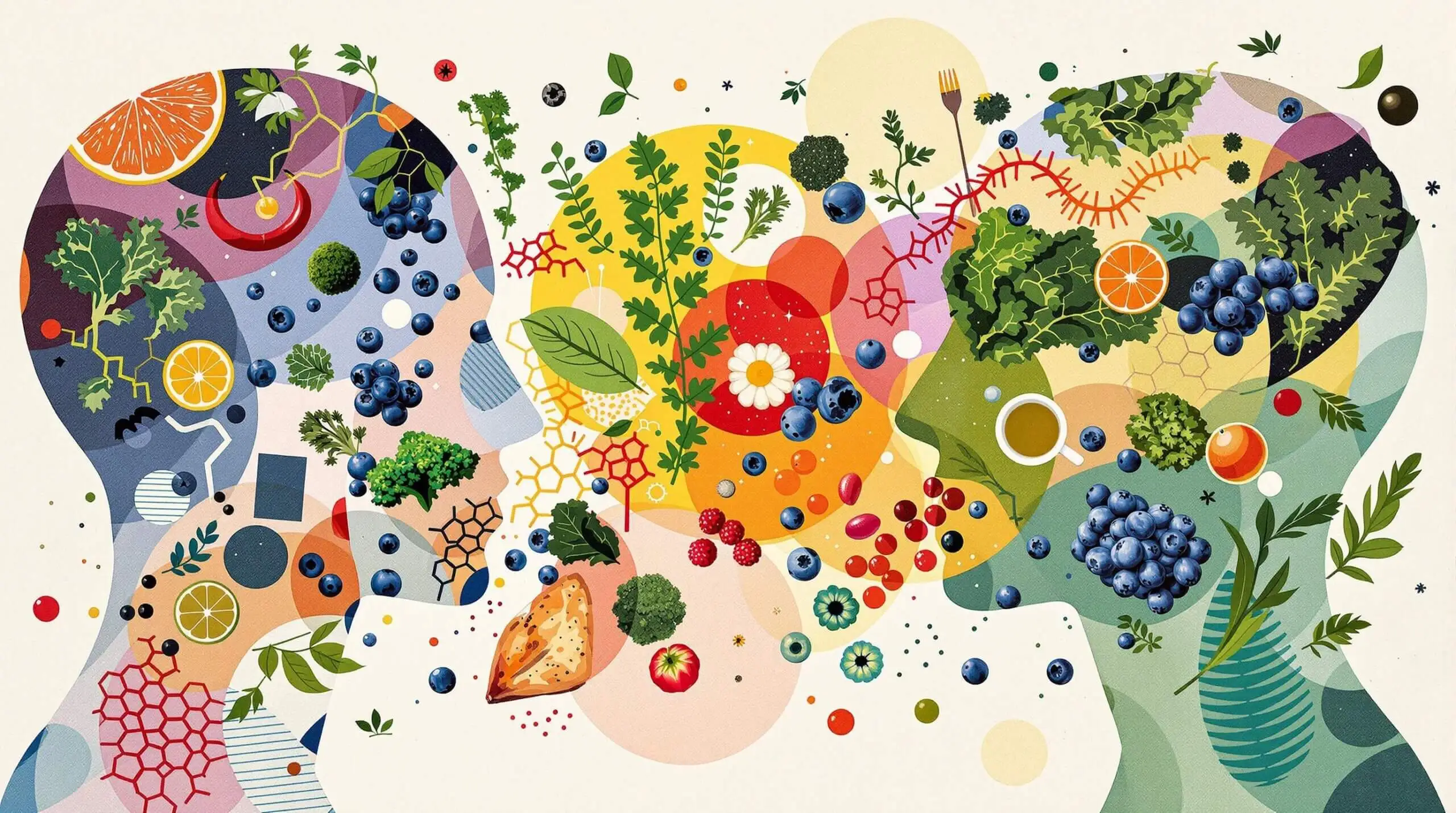
The sirtuin diet combines specific foods rich in sirtuin activators with strategic eating patterns. Key components include resveratrol-rich foods like red grapes, cocoa, and berries. The diet also emphasizes foods high in other polyphenols, which research suggests can enhance sirtuin function.
Timing and Frequency of Meals
Meal timing plays a crucial role in sirtuin activation. The diet often incorporates intermittent fasting or time-restricted eating, which can boost NAD+ levels and activate sirtuins. A common approach involves limiting eating to an 8-10 hour window each day.
Sirtuin-Activating Foods and Their Benefits
Top Sirtuin-Boosting Foods
Research has identified several foods that effectively activate sirtuins:
- Red wine (in moderation) – contains resveratrol
- Extra virgin olive oil – rich in polyphenols
- Green tea – contains EGCG
- Turmeric – contains curcumin
- Onions and garlic – rich in quercetin
- Dark chocolate – contains epicatechin
- Walnuts and other nuts – provide healthy fats
- Citrus fruits – high in flavonoids
Optimal Food Combinations and Preparation
The effectiveness of sirtuin-activating compounds often depends on how foods are prepared and combined. For example, black pepper enhances turmeric absorption by 2000%. Raw or lightly cooked vegetables often retain more beneficial compounds than heavily processed versions.
Implementing the Sirtuin Diet: Practical Strategies
Daily Meal Planning
A typical day on the sirtuin diet might include:
- Breakfast: Green tea with berries and nuts
- Lunch: Mediterranean-style salad with olive oil dressing
- Dinner: Fish with turmeric and vegetables
- Snacks: Dark chocolate or red grapes
Lifestyle Factors That Enhance Sirtuin Activity
Diet isn’t the only factor in sirtuin activation. Exercise, particularly high-intensity interval training, can boost NAD+ levels and activate sirtuins. Cold exposure and good sleep habits also support sirtuin function.
Scientific Evidence and Research
Clinical Studies on Sirtuin Activation
Research continues to validate the benefits of sirtuin activation. A 2019 study in Cell showed that boosting NAD+ levels could reverse vascular aging in mice. Human trials have demonstrated improved metabolic markers and reduced inflammation with sirtuin-activating compounds.
Current Research Developments
Scientists are now investigating synthetic sirtuin activators and their potential therapeutic uses. Recent studies focus on combining different activation methods for enhanced effects. The role of sirtuins in preventing age-related diseases remains an active area of research.
Practical Implementation Tips
- Start gradually with dietary changes
- Incorporate fasting periods slowly
- Focus on whole, unprocessed foods
- Monitor energy levels and adjust accordingly
- Stay hydrated
- Include regular exercise
- Get adequate sleep
- Track progress with health markers
- Consult healthcare providers before major changes
- Maintain consistency in dietary habits
Common Challenges and Solutions
Addressing Common Obstacles
Many people struggle with implementing new dietary patterns. Starting with small changes, like adding one sirtuin-activating food daily, can make the transition easier. Planning meals ahead and having healthy alternatives ready helps maintain consistency.
Managing Side Effects
Some people may experience initial fatigue or hunger when starting intermittent fasting. These symptoms typically resolve within a few weeks. Staying well-hydrated and ensuring adequate nutrient intake during eating windows helps minimize discomfort.
Future Perspectives in Sirtuin Research
Emerging Trends
Scientists are exploring new ways to activate sirtuins through targeted supplements and medications. Research into the relationship between sirtuins and specific age-related diseases shows promise for therapeutic applications.
Personalized Approaches
Genetic testing may soon help identify individual variations in sirtuin function, allowing for more personalized dietary recommendations. This could lead to more effective strategies for sirtuin activation based on individual genetic profiles.
Conclusion and Recommendations
The sirtuin diet represents a science-based approach to promoting longevity through dietary choices and eating patterns. By combining specific foods with strategic timing, we can potentially activate these important proteins and support healthy aging. While research continues, current evidence suggests that incorporating sirtuin-activating foods and practices into our daily routine may contribute to better health and longer life.
Success with the sirtuin diet requires a balanced approach – focusing on sustainable changes rather than dramatic overhauls. Starting with simple additions of sirtuin-activating foods and gradually incorporating fasting periods can lead to long-term benefits. As research advances, our understanding of how to optimize sirtuin activation will continue to improve, offering new opportunities for enhancing health and longevity.
Reviewed by a Longevity Practitioner
Laura Morgan
Medical Reviewer (CLP, LPI — Longevity Practitioner)
Scientific Reviewer at Longevity Direct. A New York-based expert in female healthspan (40+), Laura ensures all content meets our rigorous standards for scientific accuracy and practical application. She is committed to delivering evidence-based guidance that empowers our members to optimize their biological aging.
Find out which longevity treatments are right for you.
Takes ~3 minutes · No commitment · Physician-led
Sources & References
- [1](2022). The pivotal role of NAD+ in modulating sirtuin activity inменен aging and disease. Frontiers in Cell and Developmental Biology.
- [2](2023). Sirtuins in aging and disease. Signal Transduction and Targeted Therapy.
- [3](2010). calorie restriction particularly stimulates sirtuin activity. likely from calorie restriction research publication.