Urban Farming: Fresh Food’s Role in City Longevity
Exploring how urban farming can contribute to healthier, longer living in metropolitan areas.

For informational purposes only — not medical advice. Consult a healthcare provider before starting any supplement or protocol. · Reviewed March 2026 · Laura Morgan
Understanding Urban Farming and Longevity: The Basics
The Connection Between Urban Farming and Living Longer
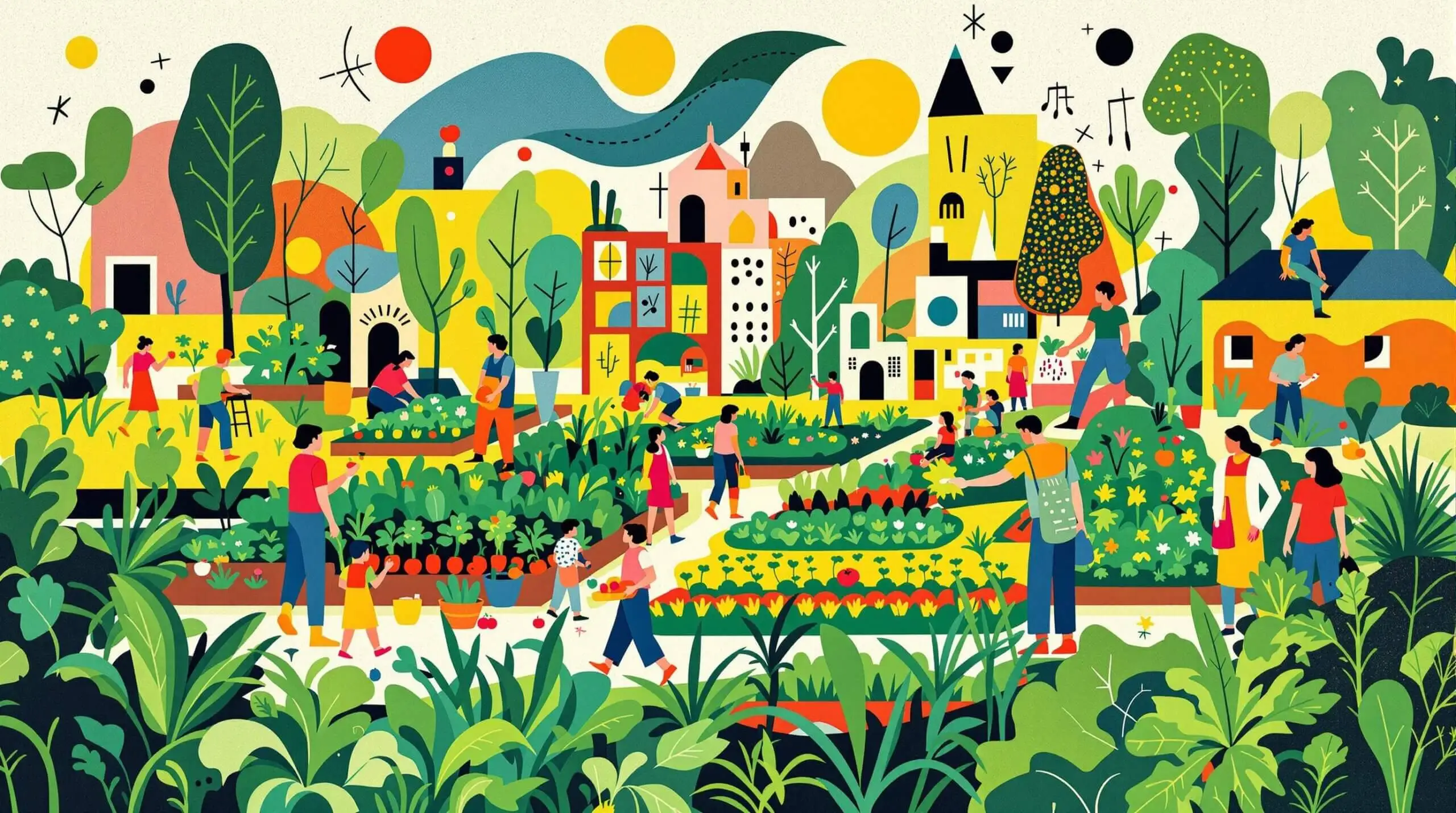
Cities aren’t usually associated with fresh food or long life. But urban farming is changing that narrative dramatically. From rooftop gardens to community plots, city dwellers are growing their own food and potentially adding years to their lives. The rise of urban agriculture represents more than just a trend – it’s a revolution in how we think about food access and health in cities.
The Science Behind Fresh Food and Aging
Fresh produce contains higher levels of nutrients and beneficial compounds compared to food that’s traveled long distances. Studies show that vegetables begin losing nutrients within 24 hours of harvest. Growing food locally means consuming it at peak nutritional value. Research from the University of California found that locally grown produce can contain up to 50% more phytochemicals – compounds that fight inflammation and slow cellular aging.
History and Evolution of Urban Farming
Urban farming isn’t new. During World War II, “Victory Gardens” produced 40% of America’s vegetables. Today’s urban farms serve a different purpose – they’re fighting food deserts and promoting healthier eating habits. Modern cities like Singapore have embraced vertical farming, producing tons of fresh vegetables in skyscrapers. These innovations are making fresh food more accessible to city residents than ever before.
Common Misconceptions About Urban Farming
Many people think urban farming can’t produce meaningful amounts of food. Wrong. A well-managed 10×10 foot plot can provide most of a family’s vegetable needs during growing season. Another myth is that city soil is too polluted for growing food. While soil testing is important, raised beds and container gardens easily solve this problem. Urban farming is both practical and productive.
Impact on Public Health
The numbers are compelling. Communities with active urban farming programs show improved dietary habits and better health outcomes. Studies indicate that people who grow their own food eat 40% more fruits and vegetables than non-gardeners. Urban farmers typically consume 7-9 servings of produce daily, compared to the national average of 3-4 servings.
Current Trends in Urban Agriculture and Health
Modern Urban Farming Methods
Technology has revolutionized urban farming. Hydroponic systems grow food without soil, using 90% less water than traditional methods. Aquaponics combines fish farming with vegetable growing, creating efficient closed systems. These methods maximize limited space while producing nutrient-dense food. LED grow lights extend growing seasons, making year-round production possible even in northern cities.
Community Impact and Social Benefits
Urban farms do more than grow food – they build communities. Regular gardening provides physical activity, stress reduction, and social connection – all factors linked to longer life. Research shows that people who participate in community gardens have lower rates of depression and anxiety. They also report stronger neighborhood ties and better overall life satisfaction.
The Health Benefits of Urban Farming
Nutritional Advantages of Ultra-Fresh Produce
Food straight from the garden contains maximum nutrients. Leafy greens, for example, lose up to 50% of their vitamin C within 24 hours of harvest. Growing your own means eating vegetables at their nutritional peak. Urban farmers also tend to grow diverse varieties, including heritage plants with higher nutrient profiles than commercial varieties.
Physical Activity and Mental Health
Gardening is excellent exercise. An hour of general gardening burns about 330 calories while building strength and flexibility. The physical activity combined with exposure to beneficial soil bacteria strengthens the immune system. Time spent outdoors increases vitamin D levels, crucial for bone health and longevity.
Environmental Health Connections
Urban farms improve air quality and reduce urban heat island effects. Plants filter pollutants and release oxygen, creating healthier micro-environments. Green spaces lower local temperatures by 2-4 degrees Celsius, reducing heat-related health risks. These environmental improvements directly impact resident health and longevity.
Implementing Urban Farming for Better Health
Starting an Urban Garden
Beginning urban farmers should start small and scale up gradually. Container gardens on balconies or windowsills make excellent starting points. Vertical growing systems maximize limited space. Focus on high-yield crops like tomatoes, leafy greens, and herbs that offer significant nutritional benefits.
Best Practices for Healthy Growing
Organic methods protect both human and environmental health. Composting creates nutrient-rich soil while reducing waste. Companion planting naturally deters pests without chemicals. Regular soil testing ensures safe growing conditions. These practices contribute to both food safety and nutritional quality.
Essential Tips for Urban Farmers
- Choose appropriate containers with good drainage
- Use high-quality organic soil and compost
- Plant according to your climate zone
- Maximize vertical space with climbing plants
- Practice crop rotation to maintain soil health
- Install efficient irrigation systems
- Consider season extenders like cold frames
- Join local gardening groups for support
- Keep detailed growing records
- Learn food preservation techniques
Future of Urban Farming and Longevity
Emerging Technologies
Smart sensors now monitor soil conditions and plant health in real-time. Automated systems adjust water and nutrients for optimal growth. AI-powered planning tools help maximize yields in small spaces. These innovations make urban farming more efficient and accessible to everyone, regardless of experience level.
Policy and Infrastructure Development
Cities worldwide are updating zoning laws to support urban agriculture. Green roof initiatives provide new growing spaces. Public-private partnerships create farming opportunities in unexpected places. These changes are making it easier for city residents to grow food and improve their health.
Challenges and Solutions
- Limited space – Solution: Vertical farming and rooftop gardens
- Soil quality – Solution: Raised beds and container growing
- Water access – Solution: Rainwater harvesting and efficient irrigation
- Climate limitations – Solution: Greenhouse and indoor growing systems
- Knowledge gaps – Solution: Community education programs
Research and Evidence
Scientific Studies on Urban Farming and Health
Research from the American Journal of Public Health shows that urban gardeners consume 37% more fruits and vegetables than non-gardeners. A study in the Journal of Nutrition Education and Behavior found that children who participate in gardening programs are five times more likely to meet daily vegetable recommendations.
Long-term Health Outcomes
Communities with active urban farming programs show reduced rates of diet-related diseases. Regular gardeners have 36% lower risk of dementia, according to a study in Medical Science Monitor. The combination of fresh food access, physical activity, and social connection creates powerful health benefits.
Practical Implementation Strategies
Individual Level Actions
Start with herb gardens in sunny windows. Join community gardens to learn from experienced growers. Attend workshops on organic growing methods. Share surplus produce with neighbors to build community connections. These simple steps begin the journey toward better health through urban farming.
Community Level Initiatives
Establish school gardens to teach children about healthy eating. Create senior gardening programs for active aging. Partner with local food banks to distribute fresh produce. These programs multiply the health benefits of urban farming across entire communities.
Resources and Support
- Local extension offices for growing advice
- Community garden organizations
- Urban farming workshops and classes
- Online growing communities
- Seed libraries and exchanges
- Tool-sharing programs
- Local farmer mentorship networks
Urban farming offers a practical solution to improving both food quality and longevity in cities. The combination of ultra-fresh produce, physical activity, and community connection creates multiple pathways to better health. As cities continue growing, urban agriculture becomes increasingly important for public health. By starting small and building gradually, anyone can participate in this movement toward healthier, longer lives through urban farming.
Reviewed by a Longevity Practitioner
Laura Morgan
Medical Reviewer (CLP, LPI — Longevity Practitioner)
Scientific Reviewer at Longevity Direct. A New York-based expert in female healthspan (40+), Laura ensures all content meets our rigorous standards for scientific accuracy and practical application. She is committed to delivering evidence-based guidance that empowers our members to optimize their biological aging.
Find out which longevity treatments are right for you.
Takes ~3 minutes · No commitment · Physician-led
Sources & References
- [1]7 Benefits of Eating Local Foods. Michigan State University Extension.
- [2]Spiritual Practices: Do Faith and Prayer Add Years?. Longevity Direct.
- [3]Rooftop Yoga: Elevating Health in Urban Jungles. Longevity Direct.
- [4]Urban Green Spaces: Parks Promoting Lifespan. Longevity Direct.
- [5](2024). . PubMed.
- [6](2023). . Frontiers for Young Minds.