Urban Green Spaces: Parks Promoting Lifespan
Exploring how urban parks and green spaces contribute to longer lifespans and better health outcomes in cities.

For informational purposes only — not medical advice. Consult a healthcare provider before starting any supplement or protocol. · Reviewed November 2025 · Laura Morgan
Understanding Urban Green Spaces and Human Longevity
The Vital Connection Between Parks and Life Expectancy
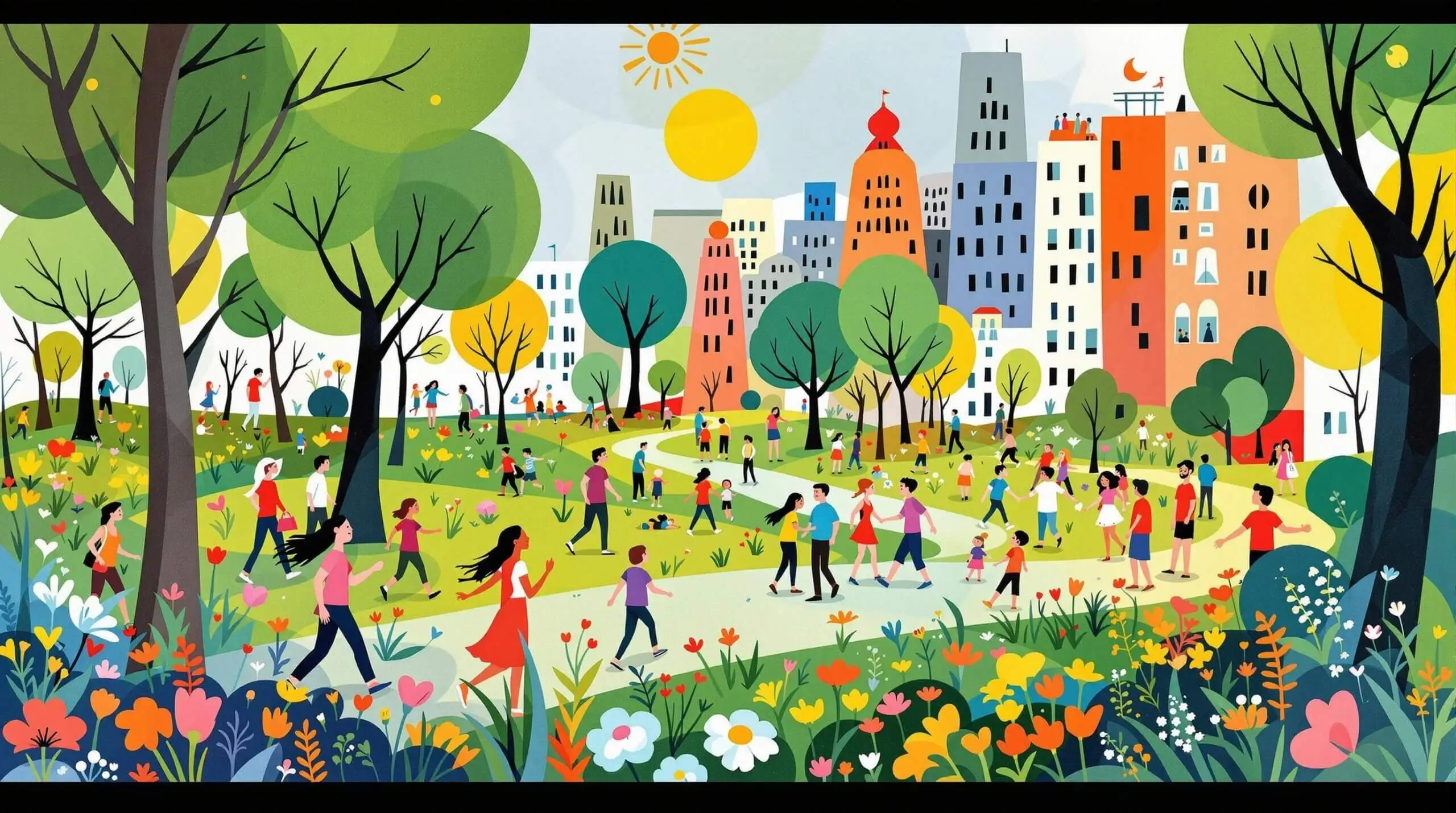
City parks aren’t just pretty patches of grass – they’re life-extending powerhouses hiding in plain sight. Recent studies show that living near green spaces can add years to your life. A massive study in The Lancet found that urban residents with access to parks and gardens live up to five years longer than those in concrete jungles.[1] The science is clear: nature within cities plays a crucial role in human health and longevity.
The Science of Green Space Benefits
Urban parks affect our biology in fascinating ways. They reduce stress hormones like cortisol, lower blood pressure, and improve immune function. These aren’t just feel-good effects – they’re measurable changes in our body’s aging processes. Research from the European Journal of Prevention found that people living near green spaces show fewer markers of cellular aging and inflammation.
Historical Context and Evolution
The link between nature and health dates back centuries. Ancient Roman cities featured public gardens, while Victorian England championed parks as “the lungs of the city.” Modern research validates these intuitive designs. The famous Blue Zones studies reveal that long-lived populations often have regular access to natural environments, even in urban settings.
Common Misconceptions
Many assume brief visits to parks offer minimal health benefits. Wrong. Research shows even 20 minutes in a green space reduces stress hormones significantly. Another myth: only large parks matter. Studies indicate that small pocket parks and urban gardens provide substantial health benefits, particularly in dense cities.
Key Statistics and Research Data
The numbers paint a compelling picture. Living within 300 meters of green space reduces mortality risk by 8-12%. Cities with 30% or more tree coverage show significantly lower rates of cardiovascular disease. Regular park users report 30% lower rates of depression and anxiety, conditions linked to shortened lifespans.
Current Trends in Urban Green Space Development
Modern Approaches to Urban Parks
Cities worldwide are reimagining green spaces. Singapore leads with its “City in a Garden” concept, incorporating vertical gardens and sky parks. These innovations show how dense urban areas can integrate nature effectively. Copenhagen’s finger plan ensures every resident lives within 15 minutes of a green space, setting a new standard for urban planning.
Technology and Green Space Innovation
Smart parks are emerging as the next frontier. These spaces use sensors to monitor air quality, foot traffic, and environmental conditions. Some cities employ mobile apps helping residents find and use green spaces effectively. These technological advances make urban nature more accessible and measurable in its health impacts.
The Mechanisms Behind Green Space Benefits
Physical Health Impacts
Parks promote physical activity naturally. Studies show park proximity increases exercise frequency by 25%. But it’s not just about movement. Green spaces filter air pollutants, reducing respiratory diseases and inflammation. Trees and plants absorb harmful particles, creating cleaner air bubbles in urban environments.
Mental Health and Cognitive Benefits
Nature exposure reduces mental fatigue and improves cognitive function. Research shows that walking in parks improves memory performance by 20%. Regular access to green spaces reduces anxiety, depression, and stress – all factors in accelerated aging. The Japanese practice of “forest bathing” demonstrates how nature immersion reduces stress hormones and blood pressure.
Social Connection and Community Impact
Parks foster social connections – a key factor in longevity. Communities with accessible green spaces show higher levels of social cohesion and lower levels of isolation. These social bonds contribute significantly to increased lifespan, matching the impact of quitting smoking.
Practical Ways to Maximize Park Benefits
- Visit parks at least three times weekly for 30 minutes
- Combine exercise with green space exposure
- Practice mindfulness or meditation in natural settings
- Join community gardening projects
- Participate in outdoor group activities
- Use parks for social gatherings
- Visit different types of green spaces
- Schedule regular morning park visits for circadian rhythm benefits
- Take work breaks in nearby green spaces
- Engage children in nature-based activities
Environmental Factors and Optimization
Different types of green spaces offer varied benefits. Parks with diverse vegetation show greater positive health impacts. Water features add extra benefits, reducing stress levels further. The size of green spaces matters less than their accessibility and regular use.
Future Directions in Urban Green Space Development
Emerging Trends and Innovations
Cities are exploring new ways to integrate nature. Vertical forests in Milan and Singapore show how buildings can become green spaces. Underground parks, like New York’s Lowline project, demonstrate innovative approaches to creating nature in space-constrained areas.
Climate Change Considerations
Urban parks play a crucial role in climate resilience. They reduce urban heat island effects, lower city temperatures by up to 8°C, and help manage stormwater. These environmental benefits directly impact human health and longevity.
Policy and Planning Implications
Forward-thinking cities are mandating minimum green space requirements. Paris is creating “urban forests” around major landmarks. Barcelona’s superblocks project prioritizes pedestrian spaces and pocket parks. These initiatives show how urban planning can prioritize longevity through green space access.
Implementation Strategies for Cities
- Establish minimum green space requirements per capita
- Create green corridors connecting existing parks
- Convert unused urban spaces into pocket parks
- Implement green roof policies
- Develop urban forestry programs
- Design multi-functional green spaces
- Integrate water-sensitive urban design
- Create pedestrian-friendly green networks
- Support community gardens and urban farming
- Protect existing green spaces from development
Recommendations for Urban Residents
Access to green spaces significantly influences longevity, making it a crucial factor in choosing where to live. Regular park visits, combined with social activities and exercise, maximize health benefits. Supporting local green space initiatives helps ensure these benefits extend to future generations.
Urban green spaces are more than aesthetic features – they’re essential infrastructure for public health and longevity. The evidence shows that parks and gardens in cities directly contribute to longer, healthier lives. As cities grow, prioritizing and protecting these spaces becomes increasingly important. Regular access to and use of urban green spaces offers one of the most effective, accessible ways to improve health and extend lifespan in our increasingly urban world.
Reviewed by a Longevity Practitioner
Laura Morgan
Medical Reviewer (CLP, LPI — Longevity Practitioner)
Scientific Reviewer at Longevity Direct. A New York-based expert in female healthspan (40+), Laura ensures all content meets our rigorous standards for scientific accuracy and practical application. She is committed to delivering evidence-based guidance that empowers our members to optimize their biological aging.
Find out which longevity treatments are right for you.
Takes ~3 minutes · No commitment · Physician-led
Sources & References
- [1](2019). Associations between greenspace and mortality in European cities. Scientific Reports.
- [2](2014). Green Space, Health Equity, and Population Health. Landscape and Urban Planning.