Why Social Connection Is The New Superfood For Aging Well
Exploring how social connections contribute to healthy aging and overall well-being.

For informational purposes only — not medical advice. Consult a healthcare provider before starting any supplement or protocol. · Reviewed November 2025 · Laura Morgan
Understanding Social Connection and Longevity: The Basics
What is the Connection Between Social Bonds and Living Longer?
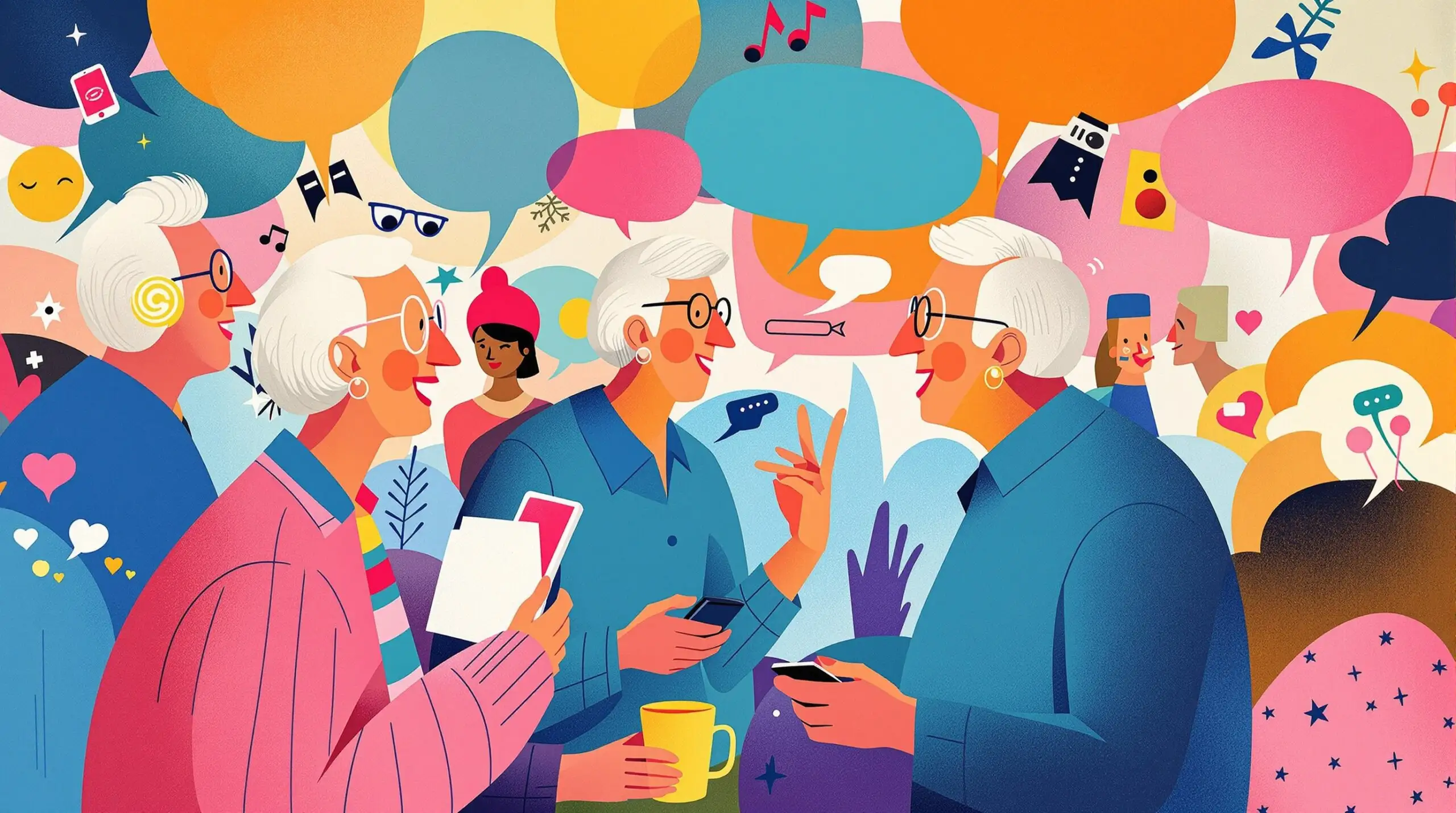
The idea that chatting with your neighbor might be as important as eating your vegetables[4] sounds almost too simple. Yet decades of research confirm that social connection is one of the most powerful predictors of longevity we’ve discovered. People with strong social ties live significantly longer than those who are isolated, with some studies showing the mortality risk of loneliness equivalent to smoking 15 cigarettes daily[2].
But here’s what makes this particularly fascinating: it’s not about being the life of the party or collecting Instagram followers. Quality trumps quantity every time. Having three close, meaningful relationships appears to offer more protective benefits than knowing 300 acquaintances.
The Science Behind Social Health and Aging
Your social connections literally change your biology. When you maintain strong relationships, your body produces less cortisol, reduces inflammatory markers, and maintains better immune function. Think of loneliness as a biological alarm system that was useful when humans lived in small tribes but becomes destructive in modern society.
Research shows that socially connected people have lower levels of interleukin-6, a inflammatory protein linked to age-related diseases including heart disease, arthritis, and even some cancers. Their telomeres – the protective caps on chromosomes that shorten with age – remain longer. Essentially, friendship appears to slow cellular aging.
Origins and Trends in Social Connection Research
The scientific study of social connection and health began in earnest in the 1970s with the Alameda County Study, which followed nearly 7,000 people for nine years. Researchers were stunned to find that people with fewer social connections had death rates two to three times higher than those with extensive social networks.
This wasn’t some quirky statistical anomaly. The Harvard Study of Adult Development, now in its eighth decade, continues to reinforce that good relationships keep people happier and healthier. The study’s current director, Robert Waldinger, puts it bluntly: “Loneliness kills. It’s as powerful as smoking or alcoholism.”
Challenges and Misconceptions
The biggest myth about social connection is that introverts are doomed to shorter lives. Complete nonsense. Introversion has nothing to do with loneliness or social isolation. Many introverts maintain deep, meaningful relationships and experience all the longevity benefits that come with them.
Another misconception is that you need constant social interaction. Quality matters far more than frequency. Having coffee with a close friend once a month can be more beneficial than attending daily social events where you feel disconnected or superficial.
Perhaps most dangerous is the assumption that social media connection equals real social connection. Studies consistently show that heavy social media use often correlates with increased feelings of loneliness and isolation, particularly among younger people.
Statistics and Data
The numbers around social isolation are staggering and getting worse. Research indicates that loneliness increases mortality risk by 26-32%. To put this in perspective, obesity increases mortality risk by about 30%, while air pollution increases it by 5%.
The AARP Foundation reports that 35% of adults aged 45 and older are chronically lonely. Among people over 65, one in four live alone, and many report having fewer than three people they can depend on. The economic cost of social isolation among older adults exceeds $6.7 billion annually in additional Medicare spending.
But here’s the encouraging part: even small improvements in social connection yield significant health benefits. Studies show that increasing social connections can boost survival odds by 50%.
The Current Landscape of Social Connection and Health
Modern Challenges to Social Connection
We’re living through what some researchers call a “loneliness epidemic.” Despite being more digitally connected than ever, rates of loneliness and social isolation have reached historic highs. The COVID-19 pandemic accelerated existing trends, but the problem started long before 2020.
Modern life systematically undermines the conditions that foster real connection. We work longer hours, commute farther, move more frequently, and live in communities designed around cars rather than gathering spaces. Many people report that their closest relationships exist primarily through screens.
The workplace, once a primary source of social connection, has become increasingly fragmented. Remote work offers many benefits but can reduce the casual interactions that often develop into meaningful relationships. The traditional “water cooler” conversations that built workplace friendships are disappearing.
The Role of Community in Healthy Aging
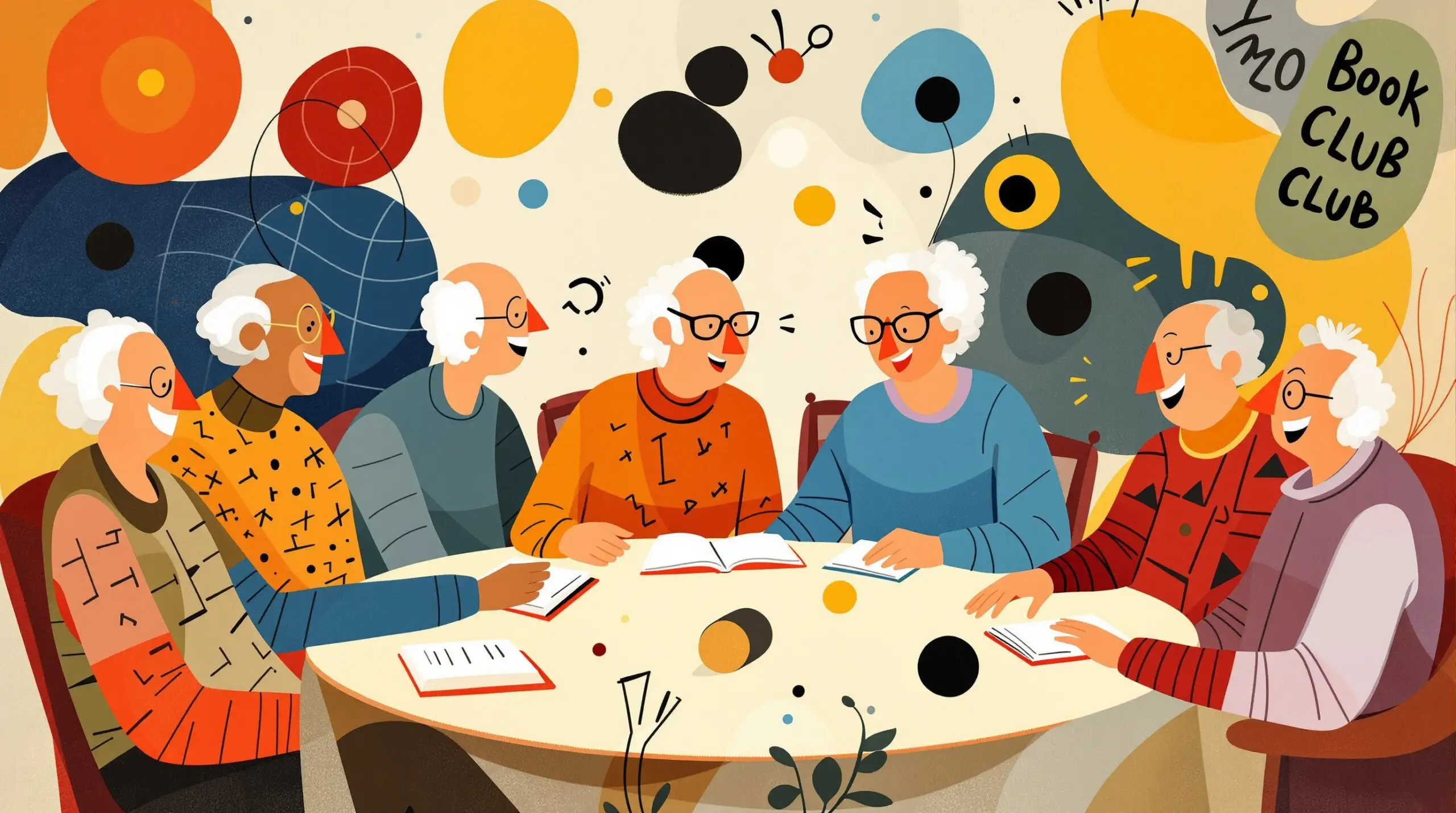
Communities that promote longevity share certain characteristics. They prioritize gathering spaces, encourage intergenerational interaction, and maintain strong social institutions. The famous Blue Zones – regions where people live exceptionally long lives – all emphasize community connection.
In Okinawa, Japan, elderly people belong to social groups called “moais” – circles of friends who provide social, logistical, and emotional support throughout life. In Sardinia, Italy, multi-generational families live close together, and community festivals bring people together regularly. These aren’t coincidences.
Research consistently shows that people who live in socially cohesive neighborhoods have better health outcomes, lower rates of depression, and increased longevity compared to those in fragmented communities. The protective effect persists even after controlling for income, education, and access to healthcare.
Exploring Social Connection and Longevity: Mechanisms and Implications
Deep Dive into the Biology of Connection
Social connection affects virtually every system in your body. When you feel socially supported, your hypothalamic-pituitary-adrenal axis – the body’s stress response system – operates more efficiently. This means lower cortisol levels, better sleep, and improved immune function.
Your cardiovascular system also benefits dramatically. People with strong social ties have lower blood pressure, reduced risk of heart disease, and better recovery outcomes after cardiac events. The mechanism appears related to both stress reduction and behavioral factors – connected people are more likely to take medications, attend medical appointments, and maintain healthy habits.
Perhaps most intriguingly, social connection affects gene expression. Research in social genomics shows that lonely people exhibit increased expression of genes involved in inflammation and decreased expression of genes involved in immune responses. This genetic “signature” of loneliness can literally reprogram how your cells function.
Psychological Pathways to Longevity
The psychological benefits of social connection create their own pathway to longevity. Connected people report higher life satisfaction, greater sense of purpose, and more resilience during difficult times. These psychological factors directly impact physical health.
Social support provides a buffer against life’s inevitable stresses. People with strong relationships recover more quickly from setbacks, whether they’re health crises, job losses, or family problems. This resilience prevents the chronic stress that accelerates aging.
Connection also provides meaning and purpose, which research consistently links to longevity. People who feel needed by others, who have relationships that give their lives meaning, show better health outcomes across virtually every measure scientists track.
Sub-Topics of Interest
Several specific aspects of social connection deserve particular attention. Marriage and long-term partnerships show some of the strongest longevity benefits, but the quality of the relationship matters enormously. A good marriage can add years to your life, while a conflicted one can subtract them.
Intergenerational relationships offer unique benefits. Older adults who interact regularly with younger people – whether grandchildren, mentees, or community members – show better cognitive function and increased longevity. The exchange of wisdom and energy appears mutually beneficial.
Pet ownership also provides significant social health benefits, particularly for people who might otherwise be isolated. The responsibility, routine, and unconditional affection that pets provide can partly substitute for human connection, though they work best as supplements rather than replacements for human relationships.
Religious and spiritual communities consistently rank among the strongest predictors of longevity. This isn’t necessarily about belief systems – it’s about regular gathering, shared purpose, mutual support, and established rituals for helping members during crises.
Practical Tips for Building Social Connection
- Prioritize face-to-face interaction over digital communication when possible
- Join groups based on genuine interests rather than networking opportunities
- Volunteer regularly for causes you care about
- Maintain traditions and rituals with family and friends
- Be vulnerable and authentic in your relationships
- Practice active listening and genuine curiosity about others
- Create regular opportunities for gathering – weekly dinners, monthly game nights
- Reach out to old friends and distant family members
- Be a good neighbor – small interactions build community
- Seek help when you need it and offer help when others need it
- Consider adopting a pet if your circumstances allow
- Limit social media use and focus on quality over quantity in relationships
Building Connection Across Different Life Stages
The strategies for building and maintaining social connection vary across life stages. Young adults often focus on forming new relationships and establishing their social identity. The key is building skills for deep connection rather than just social networking.
Middle-aged adults face particular challenges as career demands and family responsibilities can squeeze out social time. The most successful approach involves integrating social connection into existing activities – exercising with friends, involving children in social activities, combining work with relationship building.
Older adults may need to be more intentional about maintaining and forming connections as natural opportunities decrease. This might mean joining new organizations, learning new skills in group settings, or finding ways to share their experience and wisdom with younger generations.
The transition periods – starting college, changing careers, moving to new locations, retiring – are particularly important times to focus on social connection. These transitions can either lead to isolation or provide opportunities for new, meaningful relationships.
The Role of Technology in Modern Connection
Technology presents both opportunities and challenges for social connection. Video calling allows us to maintain relationships across distances in ways that were impossible even a decade ago. Online communities can provide support and connection for people with shared interests or circumstances.
However, digital connection works best as a supplement to, not replacement for, in-person interaction. The non-verbal cues, physical presence, and shared experiences that happen in person activate different neural pathways and provide different benefits than digital interaction.
The key is using technology intentionally. Video calls with distant family members, online support groups for specific health conditions, or apps that help coordinate in-person gatherings can all support social health. Mindless scrolling through social media feeds generally does the opposite.
Some of the most innovative approaches combine technology with in-person connection. Apps that help neighbors connect, platforms that organize local activities based on shared interests, and tools that help coordinate care and support for community members all show promise.
Future Implications of Social Connection Research
The growing recognition of social connection as a public health issue is changing how we think about aging and healthcare. Some healthcare systems are beginning to screen for loneliness the way they screen for depression or substance abuse.
Urban planners and architects are incorporating social health into their designs. New developments increasingly include gathering spaces, walking paths that encourage interaction, and multi-generational housing options. The concept of “aging in place” is expanding to include “aging in community.”
The workplace is also evolving to recognize the importance of social connection. Companies are experimenting with policies that support relationship building – from shared meals to volunteer time to mentorship programs. The long-term productivity and retention benefits appear to justify the investment.
Research continues to refine our understanding of which types of social connection provide the greatest health benefits. Future interventions will likely become more targeted and personalized based on individual personality types, life circumstances, and specific health risks.
The evidence is overwhelming: social connection isn’t a luxury or nice-to-have addition to a healthy lifestyle. It’s a fundamental requirement for optimal health and longevity, as essential as nutrition, exercise, and sleep. The good news is that unlike many health interventions, building social connection often becomes more rewarding the more you invest in it.
The path forward requires both individual action and community support. On a personal level, we need to prioritize relationships with the same intentionality we bring to diet and exercise. At a community level, we need to create environments that make connection easier and more natural.
The loneliness epidemic isn’t inevitable. Throughout history, humans have successfully created communities that support connection and mutual care. The challenge is adapting these timeless needs to modern circumstances. By recognizing social connection as the powerful health intervention it is, we can begin to address one of the most significant threats to healthy aging in our time.
Reviewed by a Longevity Practitioner
Laura Morgan
Medical Reviewer (CLP, LPI — Longevity Practitioner)
Scientific Reviewer at Longevity Direct. A New York-based expert in female healthspan (40+), Laura ensures all content meets our rigorous standards for scientific accuracy and practical application. She is committed to delivering evidence-based guidance that empowers our members to optimize their biological aging.
Find out which longevity treatments are right for you.
Takes ~3 minutes · No commitment · Physician-led
Sources & References
- [1](2023). How Social Connection Supports Longevity. Longevity.Direct.
- [2](2024). Loneliness Epidemic: How Isolation Shortens Lives. Longevity.Direct.
- [3](2024). The Power of Community in Blue Zones. Longevity.Direct.
- [4](2018). Healthy diet. WHO.